What Are Aluminum French Doors?
What are French Doors Aluminum? They are paired doors with glass panels, slim aluminum frames, and a central meeting point. Unlike traditional timber doors, they offer a lighter visual profile and often wider daylight openings. They can connect a kitchen to a garden, divide a living room, or open onto a balcony.
French Doors Aluminum usually include insulated glass, weather seals, adjustable hinges, and secure multipoint locks. Thermally broken frames reduce heat transfer through the metal. That detail matters in cold winters and hot summers. Without it, the frame may feel cold, collect condensation, or weaken indoor comfort. Building-science authority Dr. Joseph Lstiburek has repeatedly stressed, “Water is the most important thing to control in a building.” His warning applies directly here. Proper sill drainage, flashing, and installation are as important as the door itself.
A reliable choice begins with accurate measurements. Check the wall opening, threshold height, wind exposure, drainage, and local energy requirements. Look closely at the corners. They should feel rigid, not loose or flexible. Smooth operation also matters. A door that swings beautifully in a showroom may bind after settlement or seasonal movement. That is easy to overlook.
French Doors Aluminum are durable, low-maintenance, and visually clean, but they are not automatically perfect. Poor installation can cause drafts, leaks, and difficult locking. Finishes can also scratch during construction. Choose tested systems, experienced installers, and clear warranty terms. The best door is not merely attractive. It should remain quiet, dry, secure, and easy to operate years later.
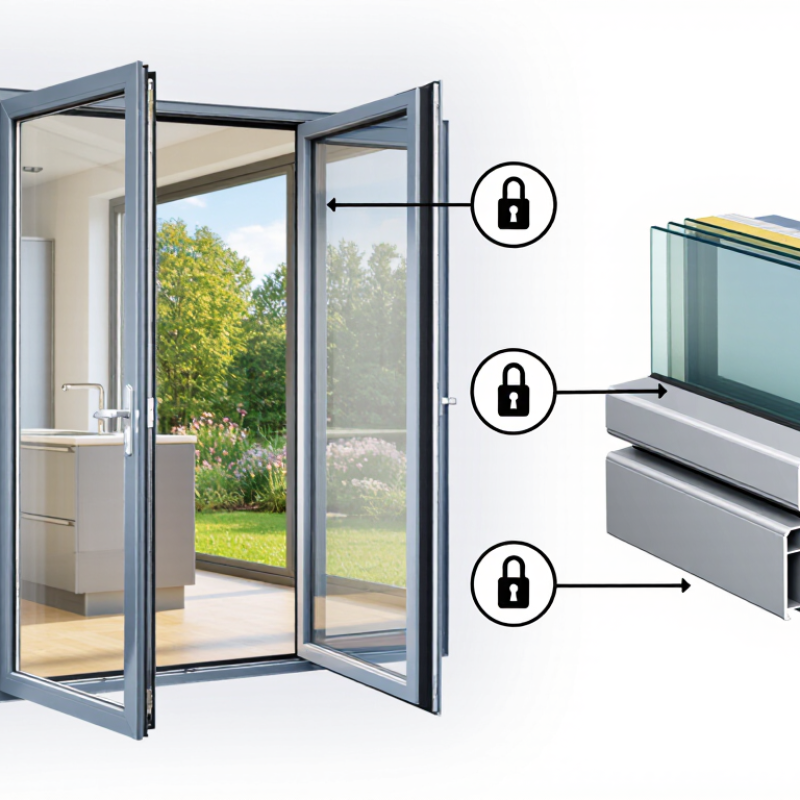
Definition and Core Features of Aluminum French Doors
Aluminum French doors
Aluminum French doors are paired hinged doors that open from the center. Each door leaf usually contains large glass panels. The two panels meet at a central stile when closed. This design creates a wide opening and a balanced, symmetrical appearance.
Their frames use aluminum for strength, stability, and relatively low maintenance. Aluminum resists warping better than many wood products, especially in damp areas.
Many systems include a thermal break, which reduces heat transfer through the frame. Double or triple glazing can improve insulation, comfort, and noise control. Weather seals around the edges help limit drafts and water entry.
Core features
Core features also include adjustable hinges, secure locking points, and carefully designed thresholds. The frame finish may be smooth, textured, or lightly reflective.
In practice, accurate measuring matters more than attractive drawings. A poorly fitted door can leak air, bind at the hinges, or close unevenly.
Aluminum French doors are not ideal for every building.
Large glass areas may increase solar heat or reduce privacy without suitable glazing. Dark finishes can also become noticeably warm in direct sunlight.
Professional installation and regular checks of seals and hardware support reliable performance. The best choice depends on climate, wall construction, opening size, and daily use.
Common Types and Opening Configurations
Aluminum French doors use two framed panels that meet at the center. Their slim metal profiles allow more glass and a lighter visual appearance than many timber alternatives. Common types include single French-style doors, paired double doors, and configurations with fixed sidelights. A single door may suit a narrow patio opening, while double doors create a wider passage for furniture or outdoor access.
The main opening choice is inward or outward swing. Inward-swinging doors protect the exterior hardware from some weather, but they require clear floor space inside. Outward-swinging doors preserve interior room, yet their threshold and hinges need careful weather protection. Both panels can be active, or one can remain fixed with flush bolts. Unequal pairs are useful when daily access needs only one narrow leaf.
Handing matters. The left and right panels should match the room layout, furniture, and nearby walls. I have found that door drawings can look correct while the real swing feels awkward beside a cabinet. Measure the clear opening, not only the frame size. Check drainage, threshold height, handle reach, and the space needed for screens. Aluminum frames can feel precise, but small installation errors may affect alignment, sealing, and smooth locking. A level sill is essential. Still, “perfect” alignment may require adjustment after the building settles.
What Are Aluminum French Doors? - Common Types and Opening Configurations
Aluminum French doors are hinged doors with two or more framed leaves, typically featuring large glass panels. A single door has one operating leaf, while a traditional French-door pair has two leaves. Some systems combine hinged leaves with fixed sidelights or additional panels to create wider openings. The chart compares common configurations by the number of hinged door leaves.
Installation, Maintenance, and Typical Applications
Aluminum French doors use two hinged panels that meet at the center. Their slim frames provide wide views and strong daylight. During installation, accurate measurements matter. The rough opening must be square, level, and properly supported. Installers should check the wall structure before lifting the door into place. Shims keep the frame aligned, while flashing and exterior sealant help control rain. The threshold also needs careful drainage. A small installation error can cause rubbing, air leaks, or difficult locking. I would not rush this stage.
Maintenance is simple, but it should be consistent. Clean the aluminum frame and glass with mild soap and water. Avoid abrasive pads, harsh chemicals, and metal tools. Inspect weather seals each season for cracks or gaps. Clear leaves from the sill and drainage channels. Hinges and locks may need a suitable lubricant, applied sparingly. If condensation appears between glass panes, the sealed unit may have failed. That requires professional assessment, not guesswork.
Tips: Measure the door swing before ordering furniture. Keep three feet of clear space where possible. Aluminum French doors suit patios, balconies, garden rooms, and interior openings between living areas. They also work well in offices needing borrowed daylight. However, they are not ideal for every narrow room. The panels need swing space, and poor alignment can reduce weather performance. A qualified installer should verify local energy and safety requirements before work begins.
