What is a Waterproof Monitor Enclosure and How Does It Protect Your Devices
In today's technologically driven world, the need for robust and reliable protective solutions for electronic devices has never been more critical. Among these solutions, the waterproof monitor enclosure has emerged as a pivotal innovation, particularly in industries where exposure to harsh environmental conditions is a common challenge. According to a report by MarketsandMarkets, the global market for protective enclosures is projected to reach USD 8.4 billion by 2026, highlighting the increased demand for durable options that can safeguard sensitive equipment against water, dust, and corrosion.
The waterproof monitor enclosure serves not only as a safeguard but also enhances the operational longevity of devices used in a variety of sectors, including manufacturing, transportation, and outdoor applications. By effectively sealing devices from the elements, these enclosures help reduce maintenance costs and downtime, promoting a more efficient workflow. As industries continuously seek to optimize performance while ensuring safety and compliance, the waterproof monitor enclosure stands out as a crucial investment that blends functionality with protective features.
Ultimately, the integration of waterproof monitor enclosures is transforming how businesses approach the safeguarding of their technology, ensuring that devices remain operational in even the most demanding environments. This shift reflects a broader trend towards prioritizing resilience and practicality in equipment design, driven by evolving industry standards and consumer expectations. As we delve deeper into the specifics of these enclosures, we will explore their design, effectiveness, and the numerous applications that benefit from their protective capabilities.
What is a Waterproof Monitor Enclosure?
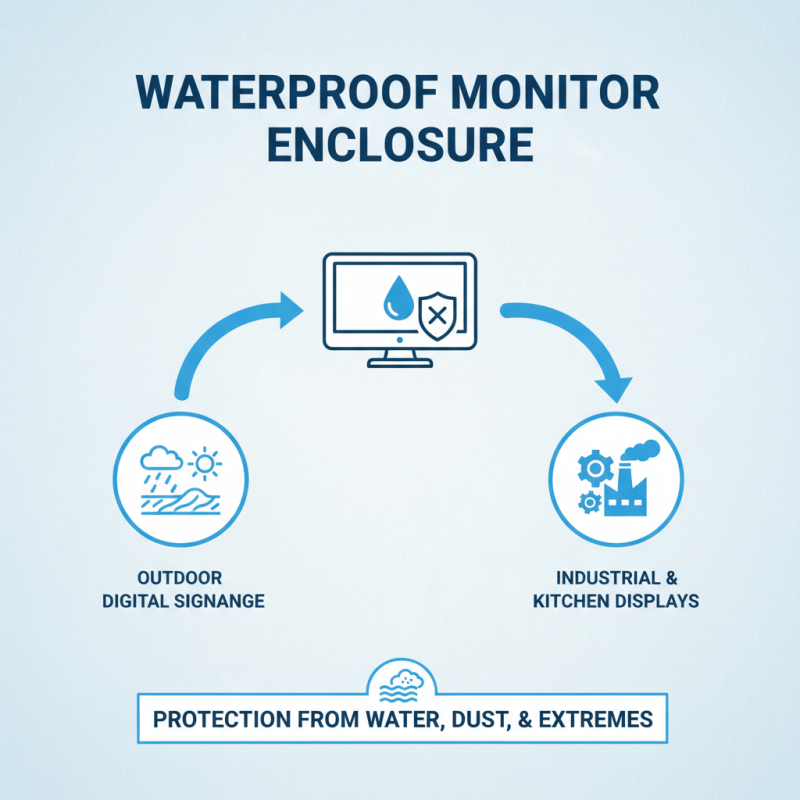
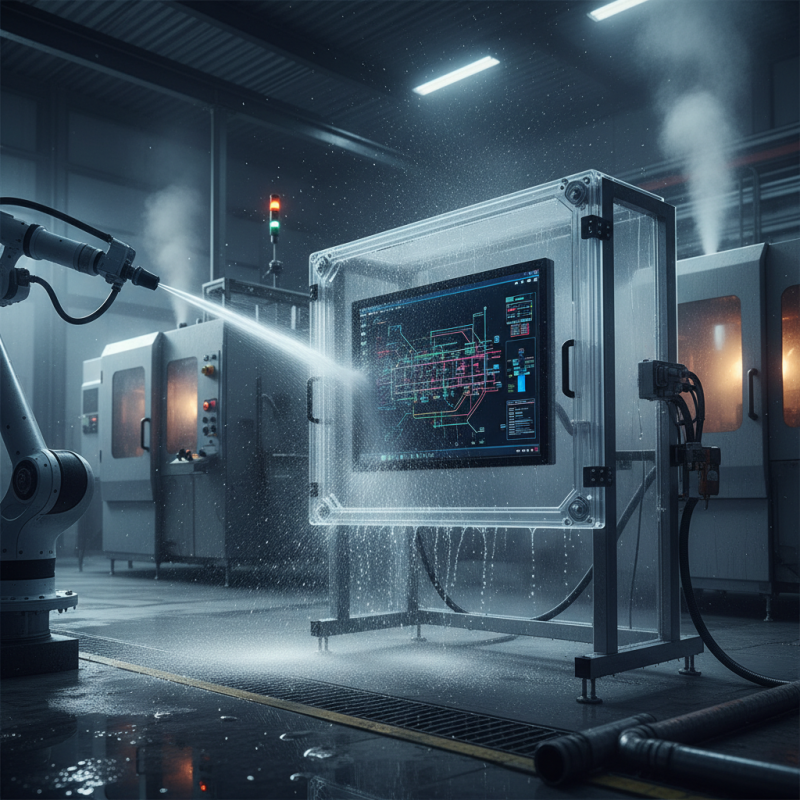
A waterproof monitor enclosure is a specialized casing designed to protect electronic displays from exposure to water, dust, and other environmental hazards. These enclosures are particularly essential in settings where monitors are subjected to harsh conditions, such as outdoor locations, manufacturing facilities, or kitchens. The primary function of a waterproof enclosure is to create a barrier that keeps moisture and debris away from the monitor while still allowing for clear visibility and functionality.
These enclosures are engineered with durable materials that resist corrosion and impact, ensuring the longevity of the devices they protect. They often feature sealed edges, breathing vents, and robust fasteners to maintain the integrity of the casing against various elements. Additionally, many waterproof monitor enclosures are designed with temperature control features to prevent overheating, which is crucial for maintaining optimal performance. By providing a protective layer, these enclosures not only enhance the lifespan of the monitors but also minimize the risk of costly repairs or replacements due to environmental damage.
Key Features of Waterproof Monitor Enclosures
Waterproof monitor enclosures are designed to safeguard sensitive electronic devices from moisture and external elements. One of the key features of these enclosures is their robust construction, typically made from high-quality materials such as stainless steel or aluminum, which provide durability and resistance to corrosion. These materials not only enhance the longevity of the monitor but also ensure that it remains functional in harsh environments, such as industrial sites, outdoor settings, or locations prone to splashes and spills.
Another essential feature is the sealing technology employed in waterproof enclosures. With specialized gaskets and seals, these enclosures achieve high Ingress Protection (IP) ratings, indicating their effectiveness against water and dust intrusion. Additionally, many waterproof monitor enclosures come equipped with ventilation systems that maintain optimal temperature while preventing moisture buildup inside. This combination of protection and functionality ensures that devices can operate smoothly, even under challenging conditions, making waterproof enclosures indispensable for businesses that rely on electronic displays in diverse environments.
How Waterproof Monitor Enclosures Protect Devices
Waterproof monitor enclosures are essential components designed to safeguard electronic devices from water and moisture damage. These specialized enclosures create a sealed environment that acts as a barrier against rain, splashes, and even dust. The use of high-quality materials, such as reinforced glass or acrylic, ensures that the displays remain clear while protecting the screens from potential scratches or impacts. This not only prolongs the lifespan of the devices but also maintains their functionality in wet or humid conditions.
Furthermore, waterproof enclosures are often engineered with ventilation systems to prevent overheating, which can be a common issue in enclosed spaces. By allowing airflow while still keeping water out, these solutions help maintain optimal operating temperatures for devices. The durability of the enclosures ensures that they can withstand harsh environmental conditions, making them ideal for outdoor installations, industrial settings, or areas prone to spills. As a result, installing a waterproof monitor enclosure significantly decreases the risk of equipment failure and expensive repairs, allowing users to rely on their devices even in challenging environments.
Waterproof Monitor Enclosure Protection Features
This chart illustrates the effectiveness of various protection features offered by waterproof monitor enclosures. The levels are rated from 1 to 10, showcasing the importance of each aspect in safeguarding your devices against environmental hazards.
Applications of Waterproof Monitor Enclosures in Various Industries
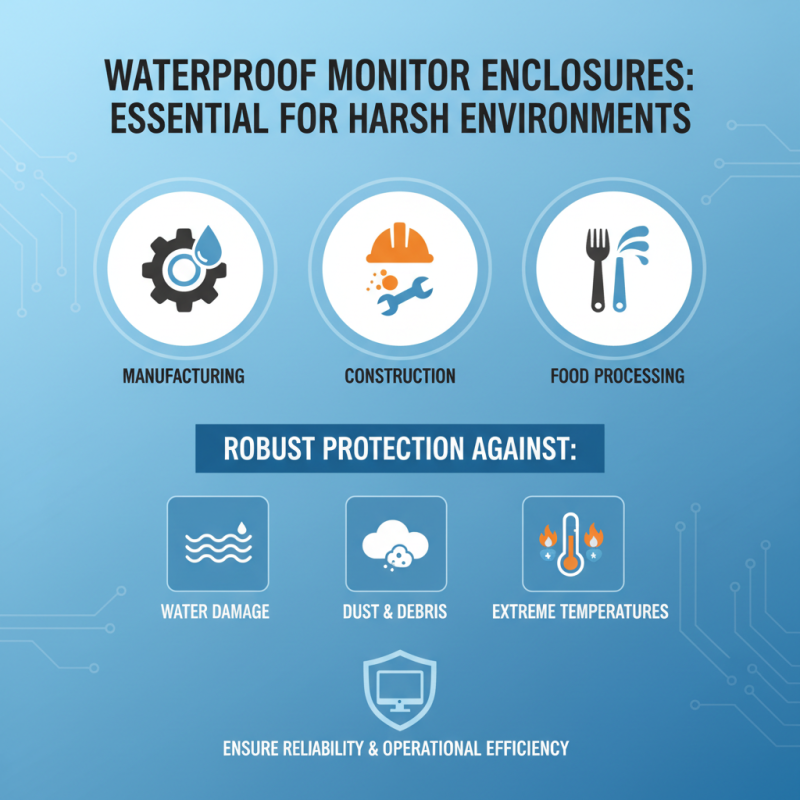
Waterproof monitor enclosures are essential across various industries where harsh environmental conditions can threaten the integrity and functionality of electronic devices. In sectors such as manufacturing, construction, and food processing, these enclosures offer robust protection from water, dust, and extreme temperatures. For example, in industrial settings, rugged waterproof monitors can be used to display vital information on factory floors or construction sites, ensuring visibility and operational efficiency even in adverse weather conditions.
In the healthcare industry, waterproof monitor enclosures are crucial for maintaining sterile environments while allowing for the use of technology. These enclosures protect sensitive equipment in hospitals and clinics from spills and contaminants, ensuring that healthcare professionals can rely on their devices without interruption. Similarly, in the transportation sector, waterproof monitors are employed for navigation and information display in vehicles that operate in all weather conditions, maintaining functionality and reliability.
Tips: When selecting a waterproof monitor enclosure, consider the specific environmental factors it will face, such as humidity levels and temperature ranges. Ensure that the enclosure meets the necessary IP rating for your application, which indicates its level of protection against water and dust. Regularly inspect and maintain your equipment to prolong its lifespan and enhance performance.
Factors to Consider When Choosing a Waterproof Monitor Enclosure
When selecting a waterproof monitor enclosure, several key factors must be taken into account to ensure optimal protection and functionality. First, consider the enclosure's IP rating, which indicates its level of dust and water resistance. A higher IP rating demonstrates better protection against harsh environments, making it essential for outdoor use or placement in areas prone to moisture and dust.
Alongside the IP rating, the material of the enclosure plays a crucial role; robust materials like aluminum and polycarbonate provide durability and impact resistance, safeguarding the monitor from physical damage.
Another important consideration is the size and compatibility of the enclosure with your specific monitor. Ensuring a proper fit is vital to maintain the monitor’s performance and visibility. Additionally, features such as ventilation, mounting options, and ease of access for maintenance can significantly impact usability. It’s also important to evaluate the enclosure’s design to ensure it allows for optimal heat dissipation and does not obstruct any necessary ports or controls. By carefully considering these factors, users can select a waterproof monitor enclosure that effectively protects their devices while enhancing their operational capabilities in various environments.