What is a Waterproof Computer Enclosure and Why Do You Need One?
In today’s technology-driven world, safeguarding equipment is crucial. A waterproof computer enclosure is designed to protect your devices from moisture and environmental hazards. These enclosures provide a secure barrier against water, dust, and other elements that can cause significant damage.
Imagine a rainy day, with water splashing around. Without proper protection, your computer could suffer irreversible harm. A waterproof computer enclosure can prevent such disasters. It is especially important for outdoor applications or in industrial settings. Many fail to realize that a small spill can lead to costly repairs or replacements.
Investing in a waterproof enclosure can save you from future headaches. However, not all enclosures are the same. Consider factors like the level of waterproofing and the specific environment where it will be used. Reflecting on this, one might wonder if they have the right protection in place. Ultimately, understanding the importance of a waterproof computer enclosure can lead to better decisions for safeguarding your technology.
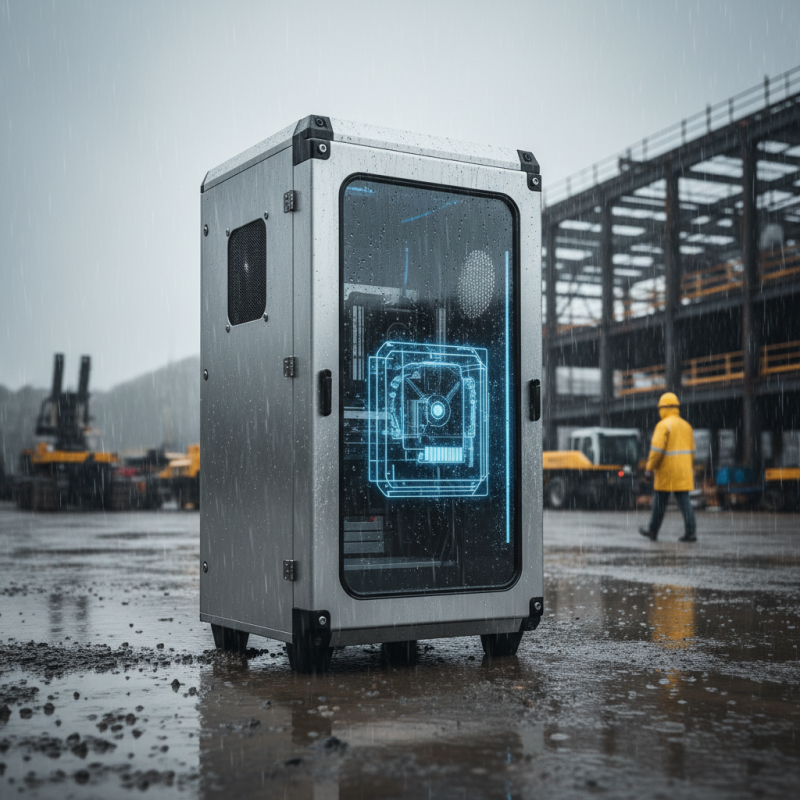
What is a Waterproof Computer Enclosure?
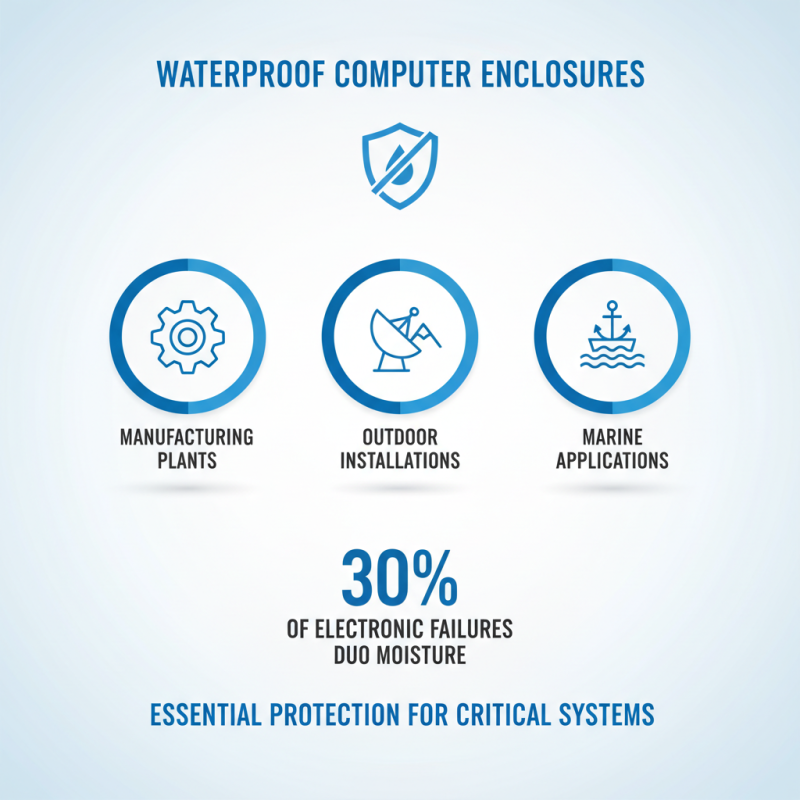
A waterproof computer enclosure is designed to protect electronic devices from water damage. These enclosures are essential in various environments, such as manufacturing plants, outdoor installations, or marine applications. Industry reports suggest that around 30% of electronic failures are due to moisture exposure. This highlights the need for effective protection.
When considering a waterproof enclosure, factors like materials and ratings come into play. Most enclosures have an Ingress Protection (IP) rating, which indicates how well they can resist water. An IP67 rating, for example, can withstand immersion in water up to 1 meter for 30 minutes. It’s crucial to choose an enclosure that meets the specific environmental needs of your equipment.
**Tips:** Ensure that the enclosure seals are intact. Regular checks can prevent potential leaks. Choose an enclosure with ventilation options. This will help control humidity internally. Always consider the mounting method, as it affects the enclosure's stability.
Key Features of Waterproof Computer Enclosures
Waterproof computer enclosures are vital for protecting electronic equipment in harsh environments. These enclosures prevent water damage from high humidity, rain, or splashes. According to industry reports, about 20% of electronic failures stem from moisture exposure. This statistic highlights the importance of investing in protective solutions.
Key features often desired in waterproof computer enclosures include durable materials, sealing mechanisms, and ergonomic designs. Most high-quality models use industrial-grade plastics or metals, ensuring long-lasting performance. A secure seal can keep out water and dust effectively. Some designs include removable panels for easy access but maintain robust protection.
However, not all enclosures are perfect. Many lack sufficient airflow, leading to overheating. Enthusiasts often point out that a balance is necessary. Proper ventilation should not compromise waterproofing. This issue requires careful consideration during the selection process. The effectiveness of these enclosures depends heavily on their design details.
What is a Waterproof Computer Enclosure and Why Do You Need One? - Key Features of Waterproof Computer Enclosures
| Feature |
Description |
Importance |
| IP Rating |
Defines the enclosure's resistance to dust and water ingress. |
Ensures longevity and reliability in adverse conditions. |
| Material |
Constructed from corrosion-resistant materials like aluminum or stainless steel. |
Provides durability against environmental factors. |
| Mounting Options |
Variety of mounting options such as wall-mount, rack-mount, or portable. |
Facilitates easy installation and adaptability to different settings. |
| Thermal Management |
Integrated cooling systems or ventilation designs to maintain optimal temperatures. |
Prevents overheating and ensures efficient performance. |
| Customization |
Options for custom sizes, colors, and additional features such as locks or reinforced doors. |
Allows unique solutions tailored to specific requirements. |
| Accessibility |
Easy access to components for maintenance and upgrades. |
Minimizes downtime and enhances usability for users. |
Benefits of Using Waterproof Computer Enclosures
Waterproof computer enclosures are crucial for various environments. They protect sensitive electronics from water, dust, and other debris. These enclosures are ideal for industries like marine, agriculture, and manufacturing. Without proper protection, equipment can fail or become unreliable. Such failures can lead to costly repairs and downtime.
The benefits of using waterproof computer enclosures are significant. They ensure equipment longevity by preventing corrosion and damage. Moreover, they allow for safe operation in challenging locations. Imagine working in a factory where water splashes occur. A waterproof enclosure would safeguard your computer from potential harm.
Additionally, these enclosures often come with features like ventilation and temperature control. This prevents overheating while maintaining waterproof integrity. A well-ventilated enclosure might seem like a luxury, but it’s essential for performance. However, some users might find them bulky or expensive. It’s important to weigh these aspects based on specific needs. Ultimately, investing in a waterproof enclosure can save you from unexpected challenges in harsh environments.
Applications of Waterproof Computer Enclosures in Various Industries
Waterproof computer enclosures have become vital in various industries. Their ability to protect sensitive equipment from moisture and dust makes them essential in environments such as manufacturing and marine applications. According to a report by MarketsandMarkets, the global market for waterproof enclosures is expected to reach $2.5 billion by 2025, highlighting the increasing reliance on these protective solutions.
In manufacturing, equipment is often exposed to harsh conditions. Waterproof enclosures prevent corrosion and system failures. For instance, a malfunction due to moisture can lead to significant downtime, costing businesses thousands of dollars. The food processing industry also benefits from these enclosures, as they ensure compliance with health standards while protecting machinery from cleaning processes. However, not all solutions are flawless; improper installation can still lead to failures.
In marine applications, waterproof enclosures protect computers from saltwater and humidity. Failures in this environment can result in catastrophic losses. A study by the IEEE indicates that over 40% of marine equipment failures are due to exposure to water. Proper enclosures reduce this risk significantly, yet some designs may not account for extreme conditions. It's essential to continuously evaluate and improve these protective measures to ensure reliability and efficiency in critical operations.
How to Choose the Right Waterproof Computer Enclosure for Your Needs
When selecting a waterproof computer enclosure, you need to consider several important factors. First, identify the environment where the enclosure will be used. Will it be exposed to rain, splashes, or dust? The answer shapes your choice. High ingress protection (IP) ratings are crucial, as they indicate resistance to water and dust.
Tips: Check IP ratings. Look for at least IP65 for good protection.
Additionally, size matters. Ensure your equipment fits comfortably inside the enclosure. Measures should include not just length and width but also height. Crowded spaces can lead to heat buildup, harming your equipment.
Consider mounting options as well. Some enclosures offer flexible mounting features. This can significantly ease installation in diverse settings.
Tips: Choose a design that allows for easy access. Frequent use requires convenient setups.
Lastly, evaluate materials. Durable materials can withstand harsh conditions. Choosing plastic over metal, for instance, might save weight but can sacrifice protection. Balancing these factors while reflecting on your needs will lead to a more informed decision.
Waterproof Computer Enclosure Usage and Popularity