Top Trends in Digital Signage Display for 2025 You Need to Know
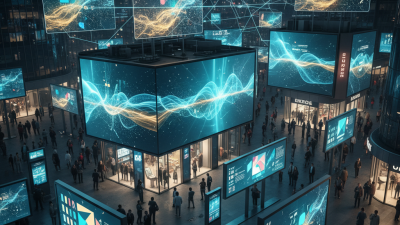
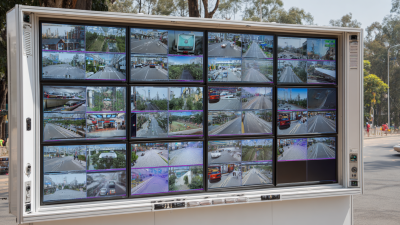
As we move towards 2025, the landscape of digital signage display is rapidly evolving, driven by advancements in technology and changing consumer behaviors. Digital signage has become an essential tool for businesses seeking to capture audience attention and enhance customer engagement in an increasingly competitive marketplace. This comprehensive overview explores the top trends in digital signage display that will shape the future, ensuring organizations stay ahead of the curve in their marketing strategies.
Innovations such as artificial intelligence, interactive displays, and improved connectivity are transforming how messages are delivered and experienced. In addition, the integration of augmented and virtual reality within digital signage display systems offers unprecedented opportunities for immersive storytelling and dynamic content. The emphasis on personalized experiences is also becoming a pivotal trend, as businesses leverage data analytics to tailor their content to individual preferences and behaviors, resulting in more impactful communications.
As we delve deeper into these emerging trends, it is essential for stakeholders to understand the implications of these developments on customer interactions and overall business performance. The future of digital signage display holds immense promise, and adapting to these changes will be crucial for organizations aiming to maximize their reach and effectiveness in engaging their audiences.

Emerging Technologies Shaping Digital Signage Displays in 2025
As we look toward 2025, the landscape of digital signage displays is set to be transformed by several emerging technologies that will redefine how information is presented and consumed. One of the most significant trends is the integration of artificial intelligence (AI) and machine learning into digital signage systems. These technologies enable dynamic content management that adapts messages based on real-time data, audience demographics, and even weather conditions. This level of personalization and contextual relevance enhances consumer engagement, making digital signage not just a one-way communication tool but an interactive experience.
Another key development is the rise of Augmented Reality (AR) and Virtual Reality (VR) elements within digital signage displays. These immersive technologies create opportunities for experiential marketing that captivates audiences and fosters stronger connections with brands. For instance, in retail environments, AR can allow customers to visualize products in their own spaces or simulate how items would look when worn or used. This interactivity not only draws in consumers but also encourages longer dwell times and promotes sharing on social media platforms. As these technologies continue to evolve, the integration of AR and VR into digital signage will become more commonplace, revolutionizing our approach to visual communication.
Key Design Trends Influencing Digital Signage Aesthetics
In 2025, the digital signage landscape is set to evolve significantly, driven by innovative design trends that shape the aesthetics of displays. One of the foremost influences is the move towards seamless integration with architecture. According to a report by MarketsandMarkets, the global digital signage market is projected to reach $31.71 billion by 2025, pushing designers to create displays that blend harmoniously with their environments. This integration not only enhances visual appeal but also increases operational efficiency in various settings, from retail to transportation hubs.
Another prominent trend is the emphasis on interactivity and personalization in digital signage. As consumers become more engaged with technology, the demand for dynamic and responsive displays grows. Research from the Digital Signage Federation indicates that interactive digital signage can increase engagement by up to 70%, highlighting the importance of designing user-centric interfaces. Furthermore, the use of augmented reality (AR) within digital signage creates immersive experiences, allowing brands to convey messages in innovative ways that resonate more effectively with audiences. As such, the design of digital signage must adapt to incorporate these advanced interactive features, making it not just a medium for information but a compelling canvas for customer connection.
Integration of AI for Personalized User Experiences in Digital Signage
The integration of artificial intelligence (AI) in digital signage is emerging as a transformative trend for 2025, reshaping how businesses engage with their audience. By harnessing AI algorithms, digital signage can analyze vast amounts of data in real-time to deliver personalized content tailored to individual preferences and behaviors. This burgeoning capability allows businesses to create dynamic experiences that resonate with viewers, ensuring that the right message reaches the right person at the right time.
Beyond mere content personalization, AI in digital signage facilitates adaptive responses to environmental factors and audience interactions. For instance, advanced analytics can help identify peak viewing times, popular content types, and viewer demographics, enabling screens to adjust their messaging accordingly. Moreover, the incorporation of machine learning enhances the system's ability to predict future trends and preferences, ensuring that content remains relevant and engaging. As this technology advances, businesses will find new avenues for enhancing customer experiences, ultimately transforming digital signage into a powerful tool for communication and engagement.
Top Trends in Digital Signage Display for 2025 You Need to Know - Integration of AI for Personalized User Experiences in Digital Signage
| Trend |
Description |
Impact |
Benefits |
| AI-Powered Content Personalization |
Utilization of AI algorithms to analyze user data for tailored content. |
Enhanced user engagement and increased conversion rates. |
More relevant advertising leading to higher ROI. |
| Interactive Displays |
Touch and gesture-based interfaces for user interaction. |
Greater interaction and customer satisfaction. |
Increased dwell time and information retention. |
| Cloud-Based Management |
Remote management of digital signage systems through cloud technology. |
Efficient content updates and data management. |
Reduced operational costs and increased flexibility. |
| Data Analytics Integration |
Using data analytics to measure the effectiveness of digital signage. |
Informed decision-making and strategy formulation. |
Enhanced marketing effectiveness through actionable insights. |
| Augmented Reality (AR) Features |
Incorporating AR elements to enrich user experiences with digital signage. |
Creates immersive experiences that captivate audiences. |
Increased brand engagement and memorable interactions. |
Sustainability Practices in the Development of Digital Signage Solutions
The digital signage industry is witnessing a pivotal shift towards sustainability as a fundamental principle in its development. This trend reflects a growing awareness of environmental impacts and the need for eco-friendly practices throughout the lifecycle of digital signage solutions.
Manufacturers are increasingly prioritizing energy-efficient technologies, such as LED displays that consume less power and have a longer lifespan compared to traditional signage. By optimizing energy usage, businesses not only reduce their carbon footprints but also lower operational costs.
Moreover, sustainable materials and recyclable components are becoming essential criteria in designing digital signage. Companies are seeking to implement solutions that minimize waste, opting for materials that can be repurposed or recycled at the end of their life cycle. This approach not only contributes to a healthier planet but also resonates with consumers who are increasingly favoring brands that demonstrate environmental responsibility.
The integration of smart technologies, like IoT devices that can monitor and optimize power use, further enhances the sustainability of digital signage, ensuring that these displays contribute positively to both business goals and ecological well-being.
The Future of Interactive Features in Digital Signage Displays
The future of interactive features in digital signage displays promises to revolutionize how businesses engage with their audiences. As technology continues to advance, the integration of touchscreens and gesture recognition systems will allow viewers to interact with the content in real-time, creating a more personalized experience. This interactivity not only captures attention but also enhances user involvement, turning passive viewers into active participants. By leveraging augmented reality (AR) and virtual reality (VR), digital signage can create immersive experiences that transcend traditional advertising, enabling users to visualize products or services in their environment.
Additionally, the rise of artificial intelligence (AI) is set to further enhance the capabilities of digital signage displays. AI-driven analytics can provide insights into viewer demographics, preferences, and behaviors, allowing businesses to tailor their messages and improve engagement. Furthermore, smart signage will utilize context-aware technology to adapt displays based on environmental factors, such as location, time of day, or even current events. This dynamic approach not only keeps content fresh and relevant but also encourages interaction through personalized messaging that resonates with the audience. With these advancements, digital signage is poised to become a critical tool for enhancing customer experience and driving engagement in the coming years.