Top 2025 Outdoor Monitors: Features, Benefits, and Buying Guide
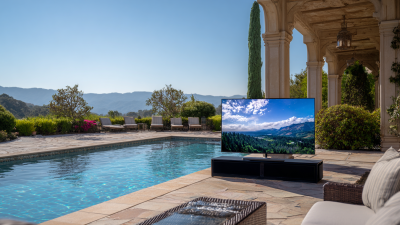
As we look ahead to 2025, outdoor monitors are set to transform the way we interact with technology in various environments, from bustling urban spaces to serene natural settings. These innovative devices are designed to withstand harsh weather conditions while providing crystal-clear visuals, making them ideal for both commercial and recreational use. Industry expert Dr. Emily Turner, a leading figure in the field of display technology, emphasizes the significance of this evolution: "The outdoor monitor market is rapidly evolving, ensuring that viewers have access to high-quality content no matter the setting or climate."
In this guide, we will explore the key features and benefits of outdoor monitors, helping you to navigate the options available in the market as you consider your next investment. With advancements in display technology, including improved brightness and weather resistance, outdoor monitors are becoming increasingly versatile. Whether used for advertising, information display, or enhancing outdoor events, understanding these features will enable you to make an informed decision that meets your specific needs.

Top Features to Consider in Outdoor Monitors for 2025
When selecting an outdoor monitor for 2025, several key features should be prioritized to ensure optimal performance in various environmental conditions. First and foremost, brightness is crucial; outdoor monitors must possess high luminosity levels to counteract sunlight glare. A minimum brightness of 2000 nits is often recommended, allowing for clear visibility even on the sunniest days. Additionally, consider a panel designed with anti-reflective coatings that further enhance visibility by reducing glare.
Durability is another vital feature; outdoor monitors should be built to withstand harsh weather elements. Look for ruggedized designs that offer water and dust resistance, often rated with IP65 or higher. Temperature tolerance is equally important, as monitors used in outdoor settings should function effectively in a broader range of temperatures. Furthermore, a variety of mounting options will provide flexibility in installation, ensuring that the monitor can be securely positioned wherever needed. Lastly, consider connectivity options for easy integration with existing systems, ensuring the monitor can seamlessly support a range of multimedia content in diverse settings.
Top 2025 Outdoor Monitors: Features, Benefits, and Buying Guide
| Feature |
Description |
Benefits |
Considerations |
| Brightness |
High brightness levels (up to 4000 nits) for visibility in direct sunlight |
Enhanced visibility outdoors ensures content is readable in all lighting conditions |
May require higher power consumption |
| Weatherproofing |
IP65 rated for dust and water resistance |
Protection against the elements prolongs monitor lifespan |
Ensure installation is secure to withstand wind |
| Viewing Angle |
Wide viewing angles (up to 178 degrees) |
Multiple viewers can see the display clearly |
Higher cost for advanced panel technology |
| Touch Capability |
Optional multi-touch functionality |
Interactive displays can enhance user engagement |
Higher installation and repair costs |
| Connectivity Options |
HDMI, USB, Wi-Fi, and Ethernet support |
Flexible content management and display options |
Compatibility with existing systems needs to be verified |
| Resolution |
Full HD (1920 x 1080) and 4K (3840 x 2160) options |
High resolution ensures sharp, clear images |
Higher resolution may require more powerful hardware |
Benefits of Using Outdoor Monitors for Various Activities
Using outdoor monitors for various activities has become increasingly popular, supported by a growing body of industry research. According to a report by the Outdoor Display Association, the demand for outdoor digital signage is projected to increase by 17% annually over the next five years. This surge is largely attributed to the versatility and functionality of outdoor monitors, which can be employed in diverse settings ranging from sports events and outdoor concerts to advertising and informational kiosks in public spaces.
The benefits of outdoor monitors extend beyond mere visibility. They are designed to withstand harsh weather conditions, ensuring that crucial information is displayed regardless of rain, sun, or snow. Additionally, outdoor monitors typically feature high brightness levels—often exceeding 1,500 nits—allowing for clear readability even in direct sunlight. A study by the International Sign Association indicates that dynamic content displayed on outdoor monitors can increase viewer engagement by up to 80%, making them an effective tool for marketing and communication.
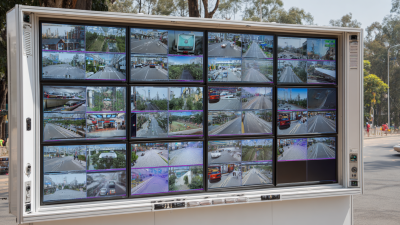
Moreover, outdoor monitors facilitate real-time updates, which is particularly beneficial for activities that require timely information dissemination, such as public transportation schedules or emergency alerts. As the trend towards smart cities continues to grow, integrating outdoor monitors into urban landscapes not only enhances communication but also improves the overall user experience in public spaces. With their ability to reach a wider audience and adapt to various needs, outdoor monitors are becoming an essential component in the planning of modern outdoor environments.
Top Brands to Consider When Buying Outdoor Monitors
When considering the purchase of outdoor monitors, it’s essential to explore the
top brands known for their commitment to
quality, durability, and innovative features. Each brand typically offers a range of
models tailored to various needs, ensuring you can find something that aligns with
your specific outdoor environment requirements. These brands often emphasize
weather resistance, high brightness levels for
visibility in direct sunlight, and robust designs that can withstand harsh conditions.
Additionally, reputable brands provide excellent support and warranty options,
further ensuring customer confidence in their products. They often invest in
research and development to integrate advanced technology into their monitors,
such as enhanced connectivity options and energy-efficient solutions. When making
a decision, consider brands that prioritize User Feedback for
product improvements, as this can significantly impact the usability and
satisfaction of outdoor monitor experiences.
Essential Buying Guide for Choosing the Right Outdoor Monitor
When selecting the right outdoor monitor, it is crucial to consider several key features that will enhance your viewing experience. Start by assessing the monitor's brightness. Outdoor environments typically have higher light levels, so a monitor with a brightness rating of at least 1000 nits is recommended to ensure clarity and visibility under direct sunlight. Additionally, look for screens with anti-glare technology, which can help reduce reflections and improve readability in bright conditions.
Durability is another essential aspect. Outdoor monitors should be rugged and resistant to various elements like rain, dust, and extreme temperatures. Look for an IP65 or higher rating, indicating that the monitor is well-sealed against environmental factors. Furthermore, consider the connectivity options available; ensure the monitor supports reliable wireless connections and multiple inputs to accommodate various media sources. By focusing on these features, you can choose a monitor that not only withstands outdoor conditions but also delivers high-quality performance for your specific needs.
Maintenance Tips to Extend the Life of Your Outdoor Monitor
Maintaining outdoor monitors is crucial to ensure their longevity and optimal performance. According to industry reports, regular maintenance can extend the lifespan of these devices by up to 40%, significantly reducing the costs associated with repairs and replacements. Key maintenance practices include regular cleaning, which is essential for preventing dust and debris build-up that can obstruct screens or ventilation systems. Utilizing a soft microfiber cloth and a mild cleaning solution is recommended to avoid damaging the monitor’s protective coatings.
Furthermore, checking the seals and mounting hardware ensures that the monitor remains securely in place and protected from the elements, particularly in harsh weather conditions.
Environmental factors play a significant role in the functioning of outdoor monitors. Reports indicate that exposure to extreme temperatures can degrade the screen’s brightness and color accuracy over time. Thus, it's advisable to monitor climatic conditions and, if feasible, position the monitors in shaded areas or use covers during inclement weather. Implementing a routine inspection schedule, ideally every month, can help identify any potential issues before they escalate, ensuring that the monitors maintain their performance levels.
Finally, updating software and firmware regularly is essential. Studies show that outdated software can lead to functional issues and security vulnerabilities, emphasizing the importance of keeping outdoor monitors up to date for both performance and safety.