Top Display Monitors of 2023: Which One Is Right for You?
In the ever-evolving world of technology, choosing the right display monitor is crucial for both productivity and leisure. Whether you are a professional designer requiring precise color accuracy, a gamer seeking a high refresh rate, or an everyday user aiming for a larger screen, the options available in 2023 are abundant and diverse. With advancements in display technology, features such as high resolution, vibrant color profiles, and ergonomic designs have made it easier to find a monitor that not only meets your needs but also enhances your overall computing experience.
The selection of a display monitor can be daunting given the myriad of choices on the market today. From ultrawide screens that expand your workspace to OLED displays that offer stunning visuals, there are various factors to consider before making a purchase. This comprehensive guide will help you navigate through the key features and specifications that matter most, ensuring you make an informed decision. As we delve into the top display monitors of 2023, we will explore the essential attributes that align with different usage scenarios, helping you determine which display monitor is right for you.
Overview of Display Monitor Types and Technologies
When considering display monitors, understanding the various types and technologies available is essential to finding the right option for your needs. Broadly speaking, display monitors can be categorized into LCD (Liquid Crystal Display), LED (Light Emitting Diode), and OLED (Organic Light Emitting Diode) technologies. LCD monitors are known for their affordability and wide availability, making them suitable for everyday tasks and general use. They utilize a backlight that illuminates the display, providing decent color accuracy and brightness for standard viewing.
In contrast, LED monitors, which are essentially LCDs with LED backlighting, offer improved brightness and energy efficiency. They generally have a better contrast ratio and can produce more vibrant colors, making them ideal for multimedia tasks and gaming. On the cutting edge of display technology is OLED, which is renowned for its exceptional color reproduction and deep black levels. OLED monitors do not rely on backlighting, allowing each pixel to emit its light, resulting in stunning visuals that appeal to professional creatives and avid gamers alike.
Choosing the right display monitor ultimately hinges on the intended use, whether it be for gaming, professional work, or general use. By understanding these types and technologies, users can make informed decisions to enhance their viewing experience.
Top Display Monitors of 2023
Key Features to Consider When Choosing a Display Monitor
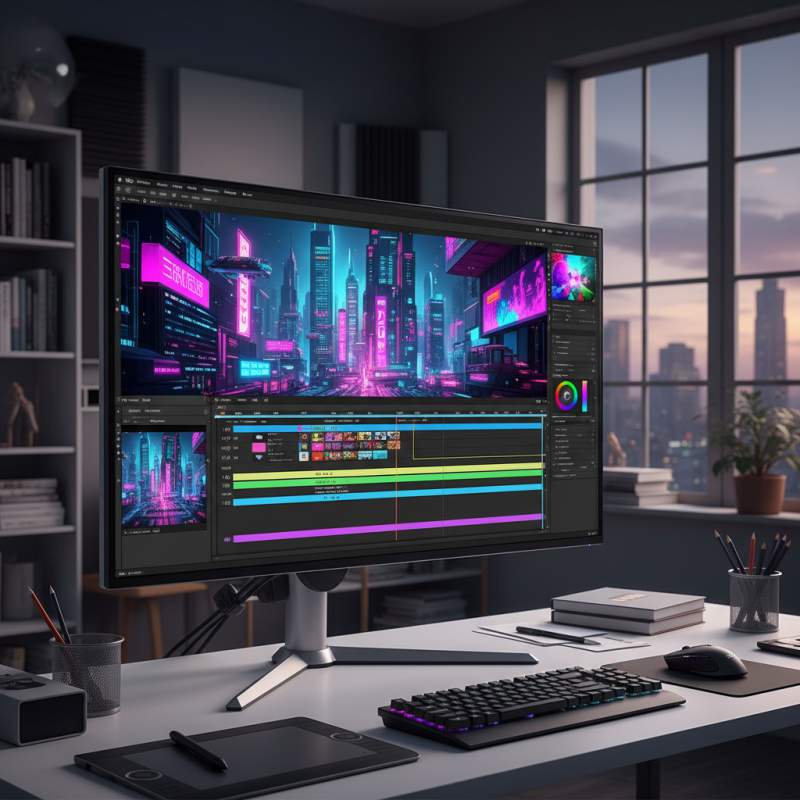
When choosing a display monitor, there are several key features that can significantly impact your experience. First and foremost, resolution plays a critical role in image clarity and detail. Monitors today come in various resolutions, including Full HD, 4K, and even 8K options. Higher resolution screens provide crisper images, making them ideal for tasks that require precision, such as graphic design, video editing, or gaming.
Another important consideration is the panel type. There are primarily three types of display panels: IPS, TN, and VA. IPS panels are known for their vibrant colors and wide viewing angles, making them perfect for creative work. TN panels are generally faster and more affordable, suitable for competitive gaming, but they often compromise on color reproduction and viewing angles. VA panels offer excellent contrast ratios, which can enhance the watching experience for movies and games, but may have slower response times. Understanding these panel characteristics can help you select a monitor that aligns with your specific usage needs.
Moreover, connectivity options are essential. Many modern monitors come equipped with multiple ports, such as HDMI, DisplayPort, and USB-C, allowing for easy connections to various devices. Consider how you plan to use the monitor and ensure it has enough ports for your peripherals. Additionally, features like refresh rate and response time are crucial for gamers or anyone looking for a smooth visual experience. Higher refresh rates provide a more fluid experience, while lower response times can help minimize motion blur. Balancing these features with your intended use will lead to a more satisfying monitor choice.
Top Display Monitors of 2023: Which One Is Right for You?
| Monitor Model |
Screen Size |
Resolution |
Refresh Rate |
Panel Type |
Price (USD) |
| Model A |
27 inches |
2560 x 1440 |
165 Hz |
IPS |
$399 |
| Model B |
32 inches |
3840 x 2160 |
60 Hz |
VA |
$599 |
| Model C |
24 inches |
1920 x 1080 |
144 Hz |
TN |
$249 |
| Model D |
34 inches |
3440 x 1440 |
120 Hz |
IPS |
$799 |
| Model E |
27 inches |
2560 x 1440 |
75 Hz |
IPS |
$299 |
Top Display Monitors of 2023: Best Picks for Different Needs
When choosing the best display monitor for your specific needs in 2023, it’s essential to consider factors such as resolution,
screen size, and panel technology. For gamers seeking an immersive experience, a monitor with a high refresh rate
and low response time is crucial. Look for something that supports at least 144Hz refresh rates and has
adaptive sync technology to reduce screen tearing during intense gaming sessions.
For professionals, such as graphic designers and video editors, color accuracy and resolution take precedence. Monitors with
4K resolution and IPS panels are preferable as they provide wider viewing angles and better color reproduction. Additionally,
those that support color calibration will allow for more precise work, ensuring that the output matches expectations.
Tips: Always check the connectivity options of the monitor, as having multiple port types, including HDMI
and DisplayPort, can enhance versatility. If you're considering using the monitor for long hours, invest in one with blue light filter features
to reduce eye strain. Lastly, adjustable stands can significantly improve ergonomics, allowing you to work comfortably without discomfort over time.
Comparative Analysis: Performance and Price of Leading Models
When evaluating display monitors in 2023, one of the key considerations is the balance between performance and price. High-resolution displays offer stunning visuals, with options such as 4K and even 8K becoming increasingly popular among consumers and professionals alike. These monitors provide exceptional clarity, making them ideal for tasks that require meticulous detail, such as graphic design and video editing. However, the technology behind these high resolutions often means a higher price point, which may not be feasible for all budgets.
Alongside resolution, other performance metrics such as refresh rates, response times, and color accuracy are crucial. Gamers, for instance, may prioritize monitors with higher refresh rates and lower response times for a smoother experience, while professionals in photography or filmmaking might focus on color accuracy and gamut coverage to ensure their work appears true to life. Understanding the trade-offs between these features is essential in making an informed decision. By comparing the performance and price of various models, consumers can identify which monitor aligns best with their specific needs without sacrificing quality or breaking the bank.
User Recommendations and Reviews for 2023 Display Monitors
As we navigate through 2023, the quest for the ideal display monitor becomes increasingly important for users ranging from casual viewers to professional creators. According to a recent industry report from the International Data Corporation (IDC), approximately 60% of consumers prioritize color accuracy and resolution in their monitor selection. This indicates a shift in consumer preferences towards high-performance displays that can meet the demands of content creation, gaming, and intricate tasks like photo editing. Users are seeking monitors that provide vibrant colors and deeper contrasts, with many recommending models that feature 4K resolution and wide color gamut support.
Additionally, user reviews have highlighted the significance of ergonomic design and connectivity options. A survey conducted by Gartner revealed that about 75% of respondents emphasize the importance of adjustable stands and multiple input ports for versatility. Many users advocate for monitors that not only enhance their work experience but also reduce eye strain and fatigue during extended use. These recommendations underline the need for monitors that not only perform exceptionally well technically but also cater to the physical comfort of the user. Considering these insights from both user feedback and data reports, it is clear that the right display monitor in 2023 hinges on a blend of advanced features, user comfort, and adaptability to various tasks.