7 Tips for Buying Scenic City Cars Worldwide

Buying a car for city sightseeing sounds simple until roads, weather, and ownership rules change across borders. Scenic City Cars must suit real urban conditions, not only attractive photographs or promotional promises.

A compact vehicle may feel perfect on narrow European streets but underpowered on steep coastal roads. A larger model may offer comfort yet struggle with parking, fuel costs, or crowded historic districts. Practical research matters. Check verified service records, accident history, mileage consistency, and the seller’s ownership documents. An independent mechanic can reveal brake wear, uneven tires, battery weakness, or hidden water damage. Small faults become expensive surprises.

Local expertise also deserves attention. Confirm registration requirements, insurance availability, emissions standards, charging access, and service support before signing a purchase agreement. These details differ widely between countries and even between neighboring cities. A hybrid may reduce fuel use in heavy traffic, while an electric car needs dependable charging near home and regular routes. Weather matters too. Salt air, winter roads, extreme heat, and steep hills can affect long-term reliability.

Pictures can mislead.

Even careful buyers make assumptions. I have seen shoppers focus on panoramic views and overlook rear visibility, luggage space, or a difficult driving position. A test drive should include traffic, hills, tight turns, and parking. Seven practical tips can make the decision more reliable, but no checklist replaces patience, professional inspection, and honest reflection about daily needs. Scenic City Cars should support memorable journeys without creating avoidable financial or safety pressure.
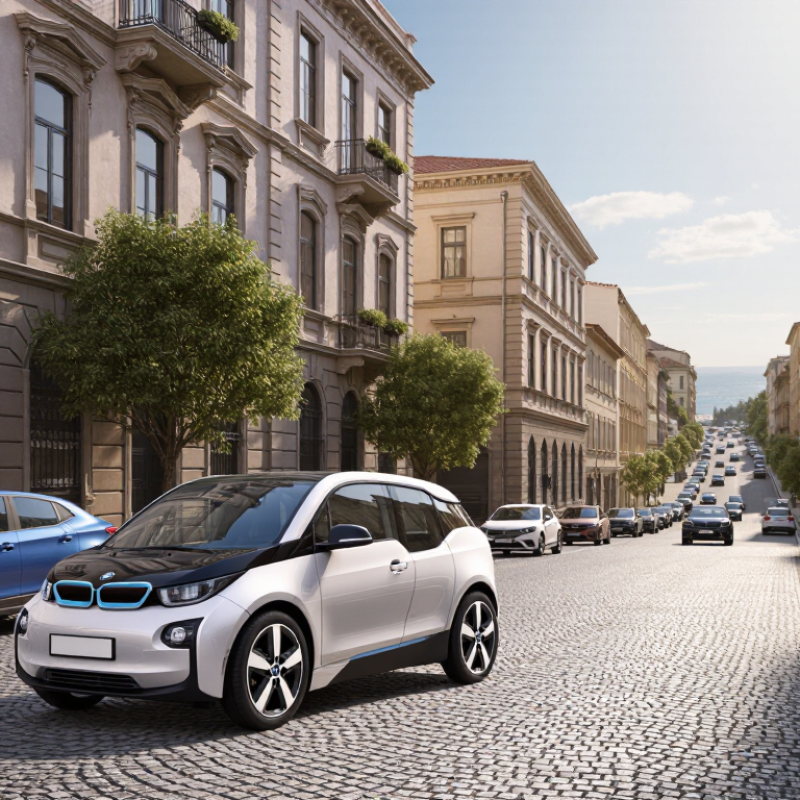
7 Tips for Buying Scenic City Cars Worldwide

Defining Scenic City Cars and Their Essential Features

7 Tips for Buying Scenic City Cars Worldwide

Defining Scenic City Cars and Their Essential Features

A scenic city car is a compact vehicle designed for dense streets, short trips, and memorable urban views. It should feel easy to place beside narrow lanes, stone buildings, waterfront roads, or crowded parking areas. Size matters, but visibility matters more. A high seating position, slim pillars, and clear rear corners reduce guesswork near cyclists and pedestrians.

Essential features include light steering, a tight turning circle, strong low-speed braking, and parking sensors that work in rain. Efficient energy use helps during stop-and-go traffic. Comfortable suspension also matters when historic streets become uneven. Look for adjustable seats, simple controls, and enough rear space for groceries or a folded stroller. A quiet cabin makes slow sightseeing less tiring.

Test the car in a real neighborhood, not only on a smooth dealership road. Try a three-point turn, reverse beside a wall, and check the screen in direct sunlight. Confirm charging or fueling access, repair coverage, safety certification, and local traffic rules before buying abroad. Left-side traffic can change the usefulness of mirrors and camera views. No checklist is perfect. Glossy claims deserve questions when a door feels heavy or the brakes respond late. Small flaws become loud complaints after daily use.

Comparing Vehicle Types for Urban and Tourist Driving

7 Tips for Buying Scenic City Cars Worldwide

Comparing Vehicle Types for Urban and Tourist Driving

City driving changes quickly from narrow historic lanes to open coastal roads. Choose a vehicle type that matches both environments. A compact hatchback usually fits tight parking spaces and crowded streets. A small sedan offers calmer highway handling and a separate luggage area. Visibility matters. Sit in the driver’s seat and check blind spots before purchasing.

A crossover can suit uneven roads, steep viewpoints, and changing weather, but its extra height may complicate parking. A van carries families and large bags comfortably, yet narrow streets can become stressful. Electric vehicles feel quiet and responsive in traffic. Confirm public charging access before traveling between cities. Fuel-powered vehicles may offer easier refueling in remote tourist areas. Compare operating costs, not just the purchase price.

Check luggage capacity with real suitcases. Test turning space, braking response, air conditioning, and seat comfort. Ask for maintenance records and verify insurance requirements in the destination country. Local road signs and parking rules deserve careful attention. I once valued a large cabin too highly and underestimated parking difficulty. That was an avoidable mistake. Keep it simple. Choose reliable safety equipment, clear controls, and tires suited to local weather. A professional inspection can reveal hidden damage, although no inspection predicts every future repair.

7 Tips for Buying Scenic City Cars Worldwide

Choosing a vehicle for urban sightseeing requires a balance between maneuverability, passenger comfort, luggage space, and road-trip practicality. The chart compares typical planning dimensions for common vehicle types using rounded values from published vehicle specifications.

Seven Practical Buying Tips

  • Choose a shorter vehicle if narrow streets and limited parking are common at your destination.
  • Check the turning circle before driving in historic districts or compact city centers.
  • Match luggage capacity to the number of passengers and the length of your trip.
  • Consider fuel or energy efficiency when planning long scenic routes.
  • Prioritize visibility and driver-assistance features for unfamiliar roads.
  • Compare ground clearance if your itinerary includes rural viewpoints or uneven roads.
  • Verify local regulations, parking dimensions, charging access, and insurance requirements before buying or renting.

How to read the chart: Smaller vehicles generally offer easier urban maneuverability, while larger vehicles usually provide more passenger and luggage space. A compact hatchback often offers a practical compromise between city handling and scenic-tour comfort.

Checking Safety, Comfort, and Environmental Performance

Buying a small car for scenic city travel requires more than a charming shape. Safety should guide every inspection. Check the vehicle’s independent crash-test results, airbag coverage, braking assistance, and pedestrian visibility. Look underneath. Uneven tire wear can reveal poor alignment or hidden suspension damage. Test the brakes on a quiet road, but avoid aggressive driving.

Comfort matters during slow traffic and long sightseeing routes. Sit in every seat and examine knee room, seat support, cabin noise, and air-conditioning strength. A clear driving position helps on narrow streets and unfamiliar junctions. Check the luggage area with real bags, not an empty showroom. Test it cold. A vehicle that feels comfortable for ten minutes may become tiring after two hours.

Environmental performance deserves practical evidence. Compare fuel or energy use in city conditions, not only official laboratory figures. Ask for maintenance records, battery health information where relevant, and the expected cost of replacement parts. Low emissions are valuable, but manufacturing impact and repairability also deserve attention. Local climate changes performance; heat, hills, rain, and winter temperatures can reduce efficiency. I still find advertised figures too optimistic sometimes. That is worth questioning. A careful buyer should also confirm safety equipment and environmental claims with reliable public testing bodies or government transport guidance.

7 Tips for Buying Scenic City Cars Worldwide - Checking Safety, Comfort, and Environmental Performance

Tip Purchase Check Useful Data Dimension Practical Target or Reference Why It Matters in Scenic Cities How to Verify
1 Prioritize independently tested crash protection. Adult, child, vulnerable-road-user, and safety-assistance results. Prefer the highest available rating under the current regional assessment protocol; check the test year because protocols change. Narrow roads, steep streets, cyclists, pedestrians, and mixed traffic increase the value of comprehensive protection. Read the official regional crash-test report and confirm that the tested trim includes the same airbags and driver-assistance equipment.
2 Match the vehicle dimensions to the city environment. Overall length, width including mirrors, turning circle, ground clearance, and parking-assistance features. For dense historic districts, compare compact dimensions and a turning circle of approximately 11 m or less where available; confirm local parking limits. Compact streets, tight garages, sharp bends, and uneven surfaces can make maneuverability more important than maximum cabin or cargo volume. Measure the actual parking space, test a three-point turn, and check camera visibility in daylight and darkness.
3 Evaluate ride comfort on slopes and rough pavement. Seat support, suspension response, wheel and tire size, cabin noise, and climate-control performance. Choose an adjustable driving position, lumbar support where needed, and tires with sufficient sidewall for local road conditions; verify measured cabin noise during a test drive. Cobblestones, inclines, switchbacks, heat, and long sightseeing trips can expose weaknesses that are not obvious in a showroom. Drive over representative roads with passengers, test seat adjustments, and check visibility, ventilation, and luggage access.
4 Compare energy consumption using the same test standard. Fuel economy in L/100 km, or electricity consumption in kWh/100 km; test cycle and temperature. Use official figures only as a comparison baseline. WLTP, EPA, and other regional cycles are not directly interchangeable; expect higher consumption in hills, cold weather, and congestion. Frequent stops, elevation changes, air-conditioning use, and slow traffic can significantly reduce efficiency compared with laboratory results. Record the exact test standard, estimate annual distance, and compare operating cost using local energy or fuel prices.
5 Check local-emission performance and access rules. Regulated pollutants, emissions standard, zero-emission capability, and urban access eligibility. Confirm compliance with the destination’s current legal standard and low-emission-zone requirements; regulations differ by country and city. Scenic centers often restrict traffic to protect air quality, historic buildings, and pedestrian areas. Check the municipal access map, registration requirements, official conformity documents, and any required stickers or permits.
6 Plan charging or refueling around the actual route. Usable battery capacity, charging time, connector compatibility, fuel availability, and hill-climb energy demand. For electric vehicles, distinguish usable battery capacity from gross capacity and verify charging power in kW; allow an operating buffer rather than planning to reach zero. Mountain roads, temperature extremes, seasonal tourism, and limited parking infrastructure can affect range and queue times. Map chargers or fuel stations along regular routes, test the supplied cable or connector, and ask about home or workplace charging.
7 Assess lifetime environmental performance, not only tailpipe emissions. Manufacturing impact, energy source, maintenance materials, durability, recyclability, and expected service life. Compare transparent life-cycle information where available; a smaller, durable vehicle used efficiently can reduce impacts regardless of powertrain. Lower vehicle mass and longer service life can reduce resource use, traffic space, tire wear, and disposal demand. Request verified life-cycle data, maintenance intervals, battery-warranty terms where applicable, and information on end-of-life recycling.

Note: Official consumption, emissions, range, and safety results are test-based estimates. Actual performance varies with temperature, terrain, traffic, payload, driving style, maintenance, and local regulations.

Evaluating Local Prices, Regulations, and Ownership Costs

7 Tips for Buying Scenic City Cars Worldwide

A scenic city car should fit narrow streets, steep hills, sudden rain, and limited parking. Compare local prices in at least three nearby listings before choosing one. A low purchase price can hide high registration fees, import duties, or inspection charges. Ask a local dealer for a written, itemized quote. Vague costs deserve caution.

Check the vehicle’s legal size, emissions rating, safety equipment, and permitted road use. Regulations differ between cities, even within one country. Confirm registration documents through the official transport authority. Never rely only on a seller’s translation. Test the car on cobbled streets, tight corners, and uphill roads. Small details matter. Measure the parking space, too.

Estimate yearly ownership costs before paying a deposit. Include insurance, road taxes, fuel or charging, tires, servicing, and seasonal repairs. Parts may cost more in remote tourist areas. I once underestimated hillside brake wear; that mistake changed my budget. Ask a qualified mechanic to inspect the brakes, cooling system, battery, and underbody. Keep the report. Check resale demand, because unusual local specifications may limit future buyers. My first estimate was too optimistic. Recheck it with real invoices from local owners. A scenic route feels better when the car remains affordable after the holiday ends.

Choosing the Best Car Through a Practical Buying Checklist

7 Tips for Buying Scenic City Cars Worldwide

Choosing a city car requires more than admiring its shape beside a waterfront road. Start with a practical checklist: measure parking spaces, compare turning circles, and inspect visibility from the driver’s seat.

The International Energy Agency reported that global electric car sales exceeded 14 million in 2023. This makes charging access an important buying question, not a fashionable extra.

Tip 1: Match the car to your daily distance.

Tip 2: Check real luggage space with your usual bags.

Tip 3: Test the seat height and door opening beside a tight curb.

Tip 4: Compare official energy figures with independent road tests. Laboratory results can feel optimistic.

I still think buyers underestimate winter range and air-conditioning use.

Tip 5: Read the safety assessment carefully. Euro NCAP’s newer testing protocols give greater attention to vulnerable road users and rescue information.

Tip 6: Calculate insurance, servicing, tyres, taxes, and charging equipment. A low purchase price may hide expensive ownership.

Tip 7: Inspect the vehicle history, warranty terms, battery condition, and local repair coverage. Ask for written answers.

If the seller avoids simple questions, pause before paying. A short second test drive can reveal steering vibration, brake noise, or poor visibility that a polished first impression conceals.