What is Pipe Fitting and Why is it Important in Industries?

Pipe Fitting is an essential component of various industrial processes. It involves the connection, adjustment, and alignment of pipes in various systems. Understanding pipe fitting is crucial for maintaining operational efficiency. Poorly executed pipe fittings can lead to leaks and system failures.

Industries rely on professionals skilled in pipe fitting. These experts ensure that the piping systems function properly. They are knowledgeable about different materials and techniques. This expertise helps prevent potential hazards. The integrity of pipelines influences overall safety and productivity.

In many cases, pipe fitting can be overlooked. Some may underestimate its importance until problems arise. Investing in proper pipe fitting practices can save time and resources. Addressing fitting issues early on can prevent costly repairs and downtime.
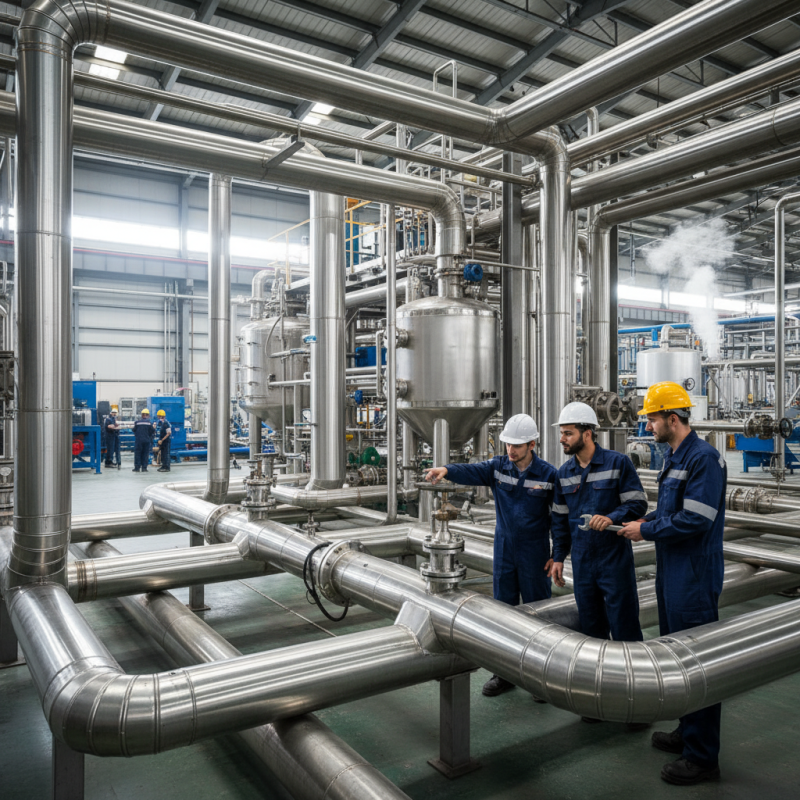
What is Pipe Fitting and Why is it Important in Industries?

Definition of Pipe Fitting and Its Functions in Various Industries

Pipe fitting involves the assembly and connection of piping systems. This fundamental process is crucial across various industries, such as oil and gas, construction, and manufacturing. The global pipe fittings market was estimated at approximately $73.6 billion in 2020 and is projected to grow, indicating its importance. Effective pipe fitting ensures the seamless transport of liquids and gases, minimizing leaks and maintaining safety standards.

In industries like pharmaceuticals and food processing, the precision of pipe fitting is critical. It prevents contamination and ensures compliance with strict hygiene standards. For example, in the pharmaceutical sector, incorrect fittings can lead to costly product recalls. Additionally, industries rely heavily on the calculations and measurements necessary for proper pipe fitting, which can sometimes result in errors. It’s essential to reflect on these challenges. Professionals must be trained and vigilant to avoid issues arising from miscalculations. Despite advancements, human error remains a concern.

Moreover, regular inspections and maintenance of pipe fittings can significantly enhance operational efficiency. Reports indicate that preemptive measures can reduce downtime by up to 30%. This vigilance reflects the ongoing need for specialized expertise in the field, as well as for investments in quality materials and tools. Recognizing and addressing these challenges is vital for successful operations in any industry that relies on piping systems.

Types of Pipe Fittings and Their Specific Applications

Pipe fittings are essential components in various industries, facilitating connections and ensuring the proper flow of fluids. There are several types of pipe fittings, each designed for specific applications. For instance, elbows are commonly used to change direction. They enable a smooth transition in piping layout while minimizing pressure loss. Tees are another popular option, allowing for branching in multiple directions.

In the industrial sector, couplings serve a vital role in joining two pipes. They come in different materials, depending on the medium being transported. For instance, metal couplings are often used for high-pressure applications. Valves are crucial as well; they control the flow and pressure within the pipe system. Their placement can drastically affect system efficiency and safety.

However, selecting the right fitting requires careful consideration. Not all fittings suit every application. Misjudgments can lead to leaks or system failures. It's crucial to assess factors like pressure ratings and material compatibility. Many professionals often overlook these details, which can have significant consequences. A thoughtful approach will lead to better outcomes in complex piping systems.

Types of Pipe Fittings and Their Specific Applications

Importance of Proper Pipe Fitting in Safety and Efficiency

Proper pipe fitting is crucial in ensuring safety and efficiency across numerous industries. A report from the American Society of Mechanical Engineers suggests that poor fittings account for up to 30% of industrial leaks. These leaks can lead to hazardous situations, including explosions or harmful chemical releases. For instance, in the oil and gas sector, inaccuracies in pipe fittings have resulted in catastrophic incidents, highlighting the importance of precision in this field.

Efficiency also hinges on the quality of pipe fittings. A well-fitted pipe system can optimize fluid movement. According to a study by the International Fluid Power Society, inaccuracies in fittings can result in a 25% loss of operational efficiency. This inefficiency often translates to higher energy costs and increased maintenance needs. Even small misalignments can cause larger issues down the line, pointing to a pressing need for attention to detail in fitting procedures.

Although the importance of quality pipe fittings is clear, many systems still suffer from improper installation. Training and standards are often lacking, leading to inadequate practices. An industry survey revealed that 40% of workers feel unprepared to make accurate fittings, indicating a gap in knowledge and training. This lack of expertise can have serious repercussions, making it imperative for industries to invest in proper education for their workforce.

What is Pipe Fitting and Why is it Important in Industries? - Importance of Proper Pipe Fitting in Safety and Efficiency

Dimension Description Importance
Material Types include PVC, CPVC, steel, and copper. Choosing the right material ensures durability and resistance to corrosion.
Size Varies from 1/8" to several feet in diameter. Proper sizing prevents leaks and maintains flow efficiency.
Joint Type Including threaded, welded, and flanged joints. Different joints provide specific strength and installation ease.
Installation Technique Methods such as soldering, welding, or using adhesive. Correct techniques impact longevity and safety of the system.
Safety Standards Compliance with regulations such as ASME or ASTM. Ensures systems are safe and reduces risk of failures.
Inspection Frequency Regular checks to identify damages or wear. Preventive maintenance is critical for avoiding costly downtimes.
Application Used in plumbing, HVAC, and manufacturing processes. Proper fitting is essential to system efficiency and performance.

Common Materials Used in Pipe Fitting and Their Benefits

Pipe fitting is a crucial aspect of various industries, ensuring the safe and efficient transport of liquids and gases. The materials used in pipe fittings play a significant role in enhancing functionality and durability. Common materials include stainless steel, PVC, copper, and carbon steel. Each offers unique benefits that cater to specific applications.

Stainless steel is resistant to corrosion and high temperatures, making it ideal for chemical processing and food industries. According to industry reports, about 60% of industrial applications prefer stainless steel due to its long lifespan. PVC, on the other hand, is lightweight and cost-effective, making it popular in residential plumbing and drainage systems.

**Tip:** Regular maintenance of your pipe fittings can prevent leaks and costly repairs. Inspections should be performed at least once a year.

Copper is another favored material due to its excellent thermal conductivity. It is widely used in plumbing and HVAC systems. Still, it is essential to consider its higher cost compared to PVC. Carbon steel is often employed in high-pressure applications. It offers strength but requires protective coatings to prevent rust.

**Tip:** Always choose the right fitting material for the specific application to optimize performance and longevity. Ignoring compatibility can lead to premature failure.

Challenges and Innovations in Pipe Fitting Technologies

Pipe fitting is a critical aspect of industrial operations, encompassing the design, assembly, and maintenance of piping systems. Innovations in this field are largely driven by the need for efficiency and safety. New materials and technologies are being tested continuously. For example, advanced welding methods have improved connection integrity. These innovations help prevent leaks and ensure a more reliable flow.

However, challenges persist. Older systems often struggle to integrate with new technologies. Aging infrastructure can lead to unexpected failures. Technicians must adapt to these issues while maintaining safety standards. Training programs are essential but may not keep pace with rapid innovations. Moreover, sustainability remains a pressing concern. Industries seek to reduce waste and energy consumption.

Enhancing pipe fitting processes involves collaboration among engineers, technologists, and manufacturers. Regardless of advancements, the human element plays a vital role. Regular inspections and maintenance are key. The reliability of fitting methods often comes down to the skill of the workforce. Continuous learning in this sector is paramount. It's crucial to embrace both technology and skilled labor to overcome these hurdles.