How to Effectively Monitor Digital Signage for Maximum Impact
In today's rapidly evolving digital landscape, monitoring digital signage has become a crucial strategy for businesses aiming to maximize their advertising impact. According to a report by the Digital Signage Federation, effective digital signage can boost sales by 32%, highlighting the need for businesses to not only deploy these systems but also continuously assess their performance. As we approach 2025, the integration of advanced monitoring tools will enable companies to analyze viewer engagement and content effectiveness in real-time, ensuring that every display contributes to their overall marketing goals.

Moreover, a study conducted by MarketsandMarkets predicts that the global digital signage market will reach $31.71 billion by 2025, with a CAGR of 8.0%. This growth underscores the importance of implementing robust monitoring strategies that can leverage data analytics to refine content and enhance customer experiences. With the right approach to monitor digital signage, businesses can tailor their messaging to meet audience needs, thereby improving engagement rates and driving customer loyalty in this competitive environment.
As we delve deeper into how to effectively monitor digital signage, it is essential to focus on innovative technologies and data-driven decision-making processes that elevate brand visibility and impact.
Effective Strategies for Tracking Engagement Metrics in Digital Signage
Monitoring engagement metrics in digital signage is crucial for maximizing its impact. Effective strategies for tracking these metrics begin with identifying key performance indicators (KPIs) that align with specific campaign goals. Metrics such as viewer impressions, dwell time, and interaction rates provide a foundation for assessing how well content is resonating with audiences.
Implementing real-time data collection tools allows businesses to adapt their messaging dynamically, optimizing engagement as audience preferences shift.
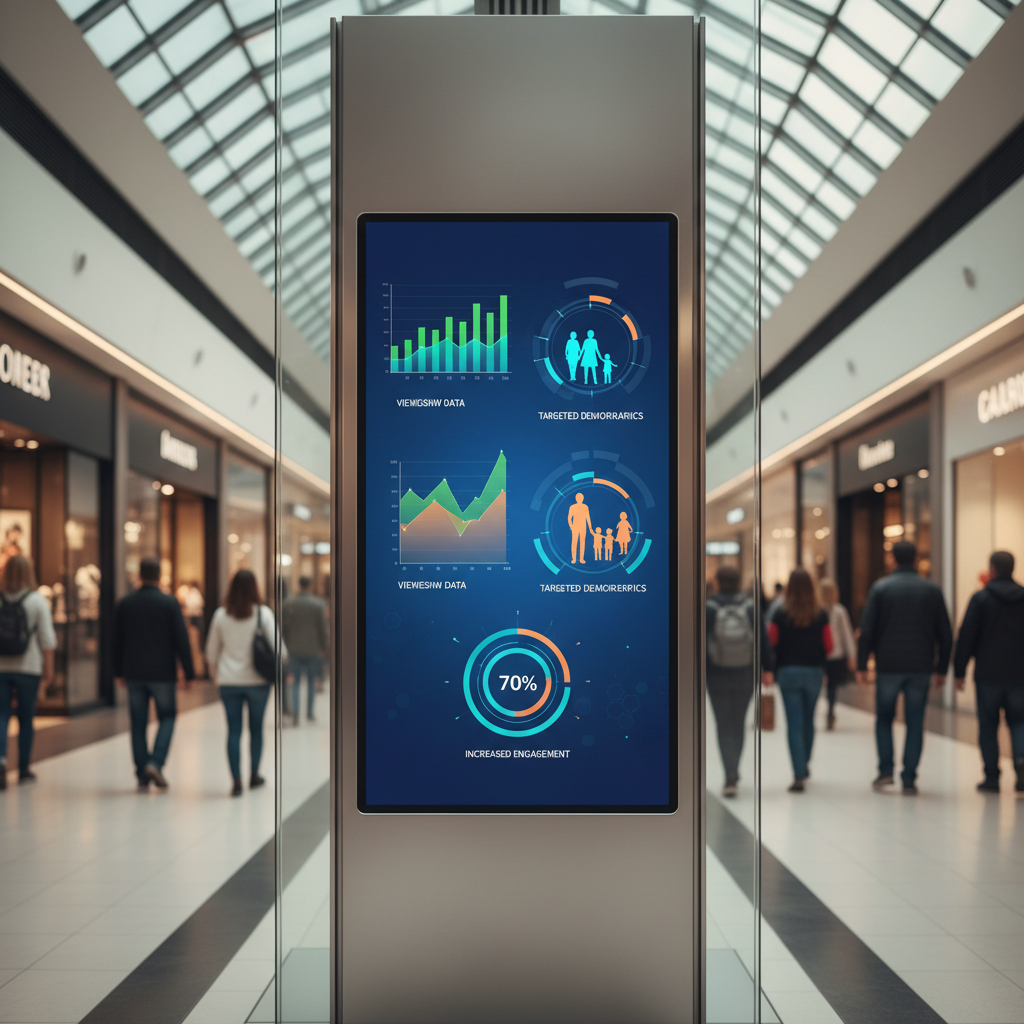
In addition, leveraging advanced analytics can enhance understanding of audience behavior beyond surface-level metrics. Analyzing demographic data and social media interactions enables companies to tailor content more effectively to target segments.
Integrating insights from social listening tools can further refine strategies, allowing marketers to capture real-time feedback and trends. This comprehensive approach not only boosts engagement but also fosters a deeper connection with the audience, ultimately driving higher returns on investment.
Utilizing Audience Analytics to Enhance Digital Signage Performance
The impact of digital signage can be significantly enhanced through effective audience analytics. According to industry reports, the Digital Out-of-Home Advertising market is projected to reach a valuation of over $31 billion by 2027, with formats such as billboards and transit displays playing a critical role. Utilizing audience analytics allows advertisers to understand viewer demographics, preferences, and engagement patterns, leading to more targeted advertising strategies that resonate with specific audiences.
Leveraging data on foot traffic and viewer responses, businesses can tailor their content dynamically. Studies have shown that advertisements tailored to the audience's interests can increase engagement rates by over 70%. Therefore, investing in robust audience analytics not only optimizes campaign performance but also enhances return on investment in digital signage initiatives. As companies transition towards data-driven decision-making, the importance of utilizing audience insights in enhancing digital signage performance becomes increasingly evident, driving more impactful campaigns and ultimately leading to greater customer satisfaction.
How to Effectively Monitor Digital Signage for Maximum Impact - Utilizing Audience Analytics to Enhance Digital Signage Performance
| Date |
Location |
Content Type |
Audience Reach |
Engagement Rate (%) |
Feedback Score (1-5) |
| 2023-10-01 |
Shopping Mall A |
Promotional Video |
1500 |
45 |
4.2 |
| 2023-10-02 |
Airport B |
Travel Information |
3000 |
55 |
4.8 |
| 2023-10-03 |
Public Transport C |
Public Service Announcement |
2000 |
30 |
3.5 |
Real-Time Monitoring Tools: Elevating Digital Signage Effectiveness
The effectiveness of digital signage can be significantly enhanced through the use of real-time monitoring tools. According to a recent study by the Digital Signage Federation, businesses that leverage these tools report a 30% increase in audience engagement compared to those that don’t. Real-time monitoring allows businesses to analyze viewer interactions and content performance instantly, ensuring that the right message reaches the audience at the optimal time. Furthermore, with 73% of consumers being influenced by digital signage after viewing it, the ability to adjust content on-the-fly makes these tools essential for maximizing impact.
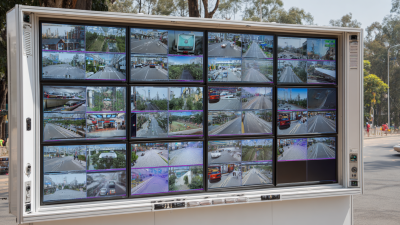
Implementing real-time monitoring tools also aids in diagnosing technical issues swiftly, which is crucial in maintaining the continuity of messaging. A report from MarketsandMarkets reveals that downtime can lead to a 25% reduction in ROI, underscoring the importance of proactive monitoring. By utilizing analytics and receiving real-time alerts, companies can minimize interruptions and ensure their digital signage remains a vital component of their marketing strategy. This dynamic approach not only enhances viewer experience but also significantly boosts overall campaign performance.
Digital Signage Monitoring Effectiveness
Best Practices for Content Scheduling Based on Viewership Data
In the rapidly evolving landscape of digital signage, content scheduling based on viewership data is essential for maximizing impact. Recent studies highlight that targeted content increases viewer engagement by up to 70%. By analyzing real-time metrics, businesses can fine-tune their displays to ensure the messaging resonates with specific demographics during peak viewing times. Implementing data-driven scheduling not only enhances viewer retention but also strengthens brand recall, with research indicating a significant increase in purchase intent when audiences are exposed to relevant content.
Moreover, leveraging sophisticated analytics platforms can help identify trends and preferences among different viewer segments. For example, companies that use advanced analytics report a 30% boost in campaign effectiveness by adjusting content to align with viewer habits and peak engagement times. With the advent of cloud computing, companies can tap into scalable solutions that enable seamless integration of viewership data into their digital signage strategy. Embracing these best practices ensures that organizations remain agile and responsive in a market where consumer attention is fleeting, driving not only engagement but also conversion rates.
Leveraging A/B Testing to Optimize Digital Signage Content and Placement
A/B testing has emerged as a pivotal strategy for optimizing digital signage content and placement, allowing businesses to make data-driven decisions that enhance viewer engagement. According to a recent report by the Digital Signage Federation, A/B testing can lead to a 30% increase in audience interaction when comparing different content strategies. This technique involves serving two variations of signage—A and B—to different segments of the audience and analyzing the resulting performance metrics, such as dwell time and engagement rates. By understanding which content resonates more effectively with viewers, organizations can tailor their messages to improve overall impact.
Furthermore, studies indicate that the placement of digital signage plays a crucial role in its success. The content's location can dictate its visibility and effectiveness. Research from Nielsen shows that 47% of people notice digital signage when it is positioned near point-of-sale areas, highlighting the importance of strategic placement. By combining A/B testing with analytical insights on placement, businesses can refine their digital signage strategy, ensuring that the right message reaches the right audience at the right time, ultimately maximizing their return on investment.