How to Choose the Best Waterproof Monitor for Your Needs?
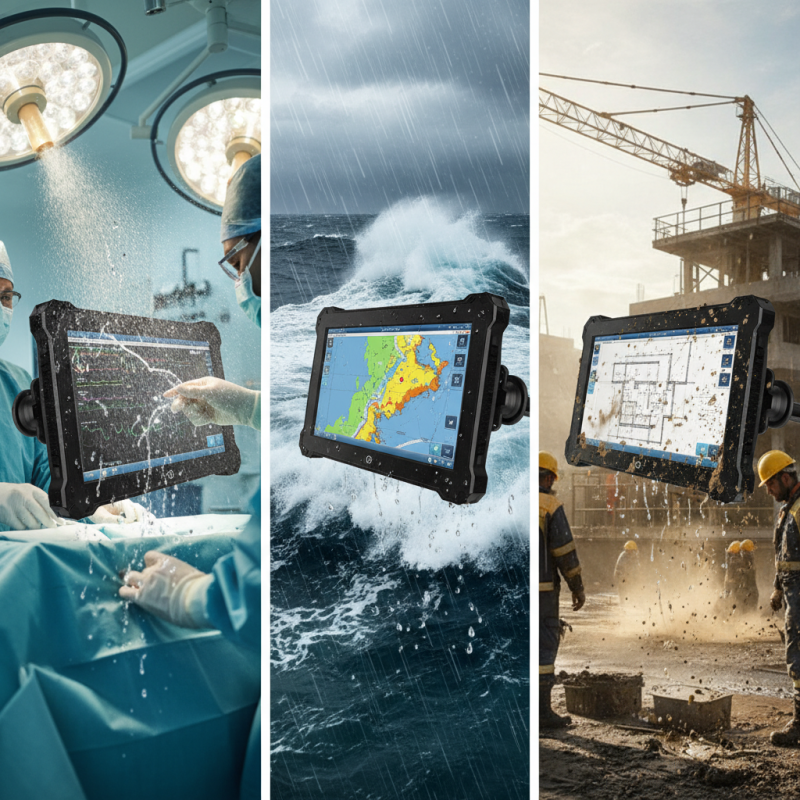
In the rapidly evolving world of technology, the demand for waterproof monitors has surged. According to a report by MarketsandMarkets, the waterproof monitor market is projected to grow to $1.5 billion by 2025, driven by growing usability in harsh environments. These monitors are not just about durability; they offer unique functionalities that cater to various industries including healthcare, marine, and construction.
Expert opinion also adds weight to this discussion. Dr. Mark Thompson, a leading figure in display technology, once stated, “Choosing the right waterproof monitor is crucial for performance in demanding conditions.” This highlights the significance of understanding your specific needs before making a purchase. Many consumers overlook essential features like brightness, resolution, and touch capability, assuming all waterproof monitors are created equal.
The challenge lies in identifying which monitor fits your requirements. With myriad options available, it can be daunting to find the perfect match. Aiming for a monitor that balances quality and resilience is key. Recognizing these needs and making educated choices can enhance overall user experience immensely. Consider the overall usage — it matters more than you might think.
Understanding Waterproof Monitor Features and Specifications
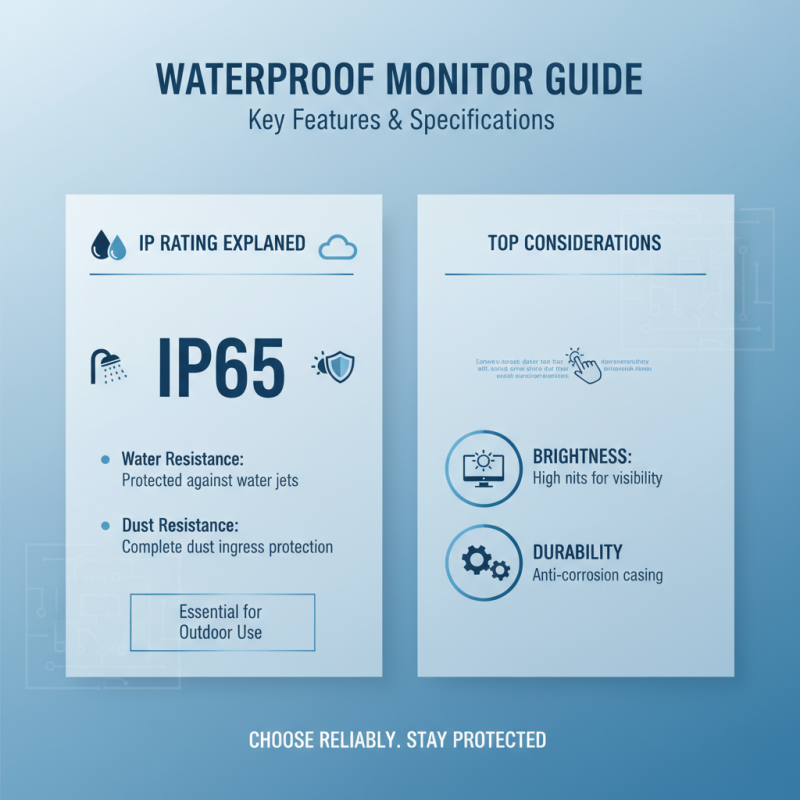
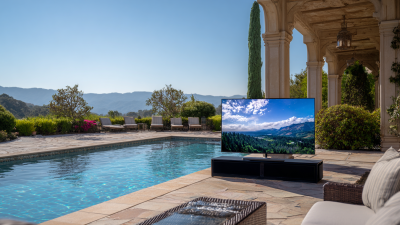
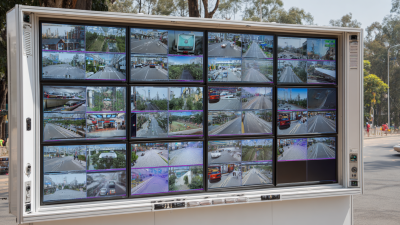
Choosing the right waterproof monitor requires a clear understanding of its features and specifications. The IP rating is crucial. It indicates the monitor's resistance to water and dust. Look for models with a rating of at least IP65 for outdoor use. This rating ensures protection against water jets and dust ingress.
Screen clarity is another vital aspect. A high resolution enhances visibility, especially in bright environments. Consider monitors with anti-glare coatings. These coatings reduce reflections and improve readability. Also, check the response time. A faster response time ensures smoother visuals, important in dynamic settings.
Connectivity options cannot be overlooked. Ensure the monitor supports the ports you need. HDMI and USB are common choices. Lastly, think about mounting options. Some monitors are designed for versatile installations, including wall mounts and stands. Reflecting on these features can clarify what you truly need.
Assessing Different Waterproof Ratings for Monitors
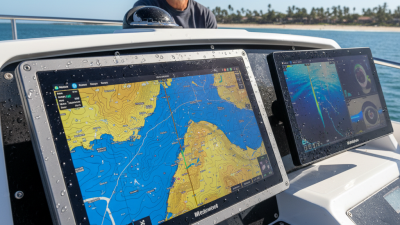
When selecting a waterproof monitor, understanding waterproof ratings is crucial. The Ingress Protection (IP) code is a standard used to measure a device's resistance to dust and water. An IP68 rating indicates complete protection against dust and can withstand splashes and continuous immersion in water up to 1.5 meters. This rating is critical for users in wet environments, such as marine applications.
Research shows that devices with higher IP ratings have a longer lifespan in harsh conditions. Monitors with an IP65 rating resist water jets and dust but are not submersible. Therefore, determining your specific needs is vital. For instance, if you're operating in a splash zone, an IP65 monitor may suffice. For underwater use, an IP68 monitor is essential.
Evaluating usage scenarios helps refine your choice. Many users overlook the environmental factors that can impact monitor performance. High humidity levels can also affect electronic displays. Choosing a monitor solely based on IP ratings without considering other environmental factors may lead to inadequate performance.
It’s essential to balance waterproof features with overall durability. Consider other specifications like brightness, resolution, and screen size alongside waterproof ratings. Each element contributes to the monitor's long-term reliability in challenging environments.
Evaluating Screen Size and Resolution for Your Environment
When evaluating the best waterproof monitor for your environment, screen size and resolution are crucial. For instance, a study by DisplayMate highlighted that higher resolution displays enhance the clarity of visual content. It reported that 4K monitors offer four times the pixel density of Full HD monitors. This boost in clarity is significant in environments where details matter, such as medical facilities and manufacturing.
Screen size should also align with the distance from which it will be viewed. According to industry guidelines, for most workspaces, a 27-inch monitor is optimal for a distance of about two feet. Conversely, larger screens, like 32 inches, are more suitable for distances of four feet or more. Both size and resolution can impact user experience. A poorly sized monitor can lead to eye strain and reduce productivity.
Consider the lighting of your environment too. High ambient light can wash out images on lower-resolution screens. A report from the International Society for Optical Engineering emphasized that monitors with better reflection control provide clearer images in bright environments. Balancing these factors will help ensure you pick a monitor that truly meets your needs.
Screen Size and Resolution Comparison for Waterproof Monitors
Comparing Durability and Build Quality of Waterproof Monitors
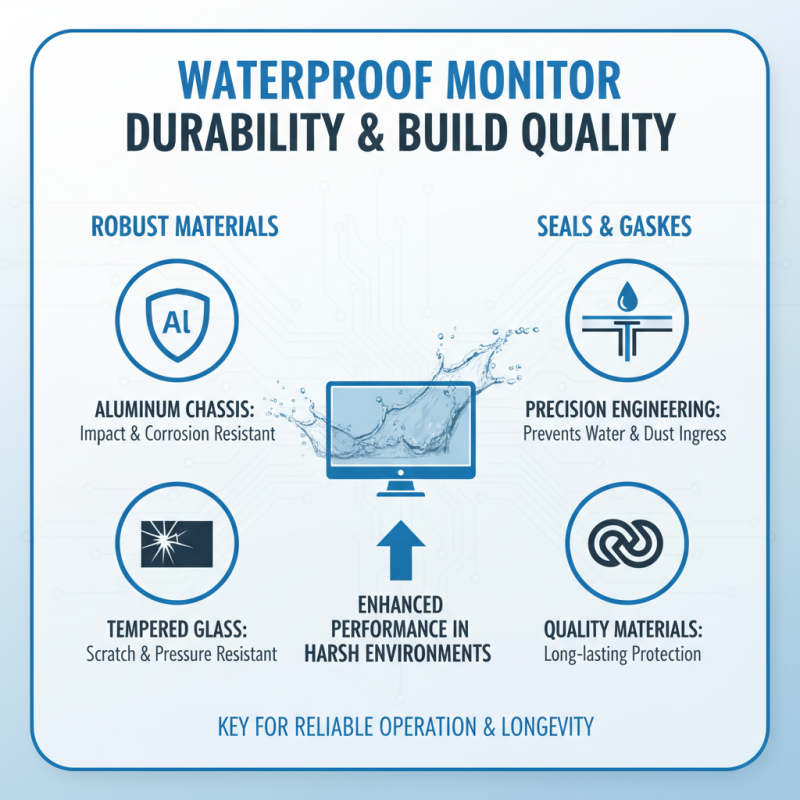
When selecting a waterproof monitor, build quality is paramount. A monitor's durability can significantly impact its performance in challenging environments. Look for models constructed with robust materials. An aluminum chassis or tempered glass can provide better resistance to physical stress. Ensure that the seals and gaskets are well-made. They prevent water and dust from entering the device.
Consider the monitor's IP rating, which indicates its level of water resistance. A rating of IP65 or higher is ideal for outdoor use. Testing the monitor under controlled conditions can help assess its performance. However, not all monitors perform well in real-world situations. Some might show wear and tear sooner than expected. Observing user reviews can provide insights into long-term durability.
Another factor is the weight of the monitor. Heavier units often indicate sturdier materials, but they can hinder portability. Think about your specific needs. Will you be moving the monitor frequently, or will it remain stationary? Also, examine how the screen responds to different elements like moisture or humidity. A reliable waterproof monitor should maintain clarity and functionality even in less-than-ideal conditions.
Identifying Suitable Brands and Models for Specific Needs
When selecting a waterproof monitor, it's essential to consider your specific needs. Different industries require unique features. For instance, outdoor photography may prioritize high brightness and anti-reflective screens. According to a report by Allied Market Research, the waterproof monitor market is expected to grow at a CAGR of 7.6% from 2021 to 2028. This data highlights the increasing demand for specialized devices.
Brands that focus on waterproof monitors often cater to certain niche markets. For example, those involved in marine operations may need displays that withstand saltwater exposure. Meanwhile, healthcare professionals might look for monitors that comply with stricter sanitary regulations. A study by Grand View Research suggests that health-related industries have an increasing demand for durable and easy-to-clean equipment, driving innovation in this sector.
It’s worth noting that not all models perform equally in extreme conditions. Users have reported instances where specific monitors failed to meet expected waterproof standards, leading to significant losses. Researching user reviews and industry reports is critical. Ensure that the monitor you choose has a proven track record in real-world applications. This may save you from costly mistakes down the line.