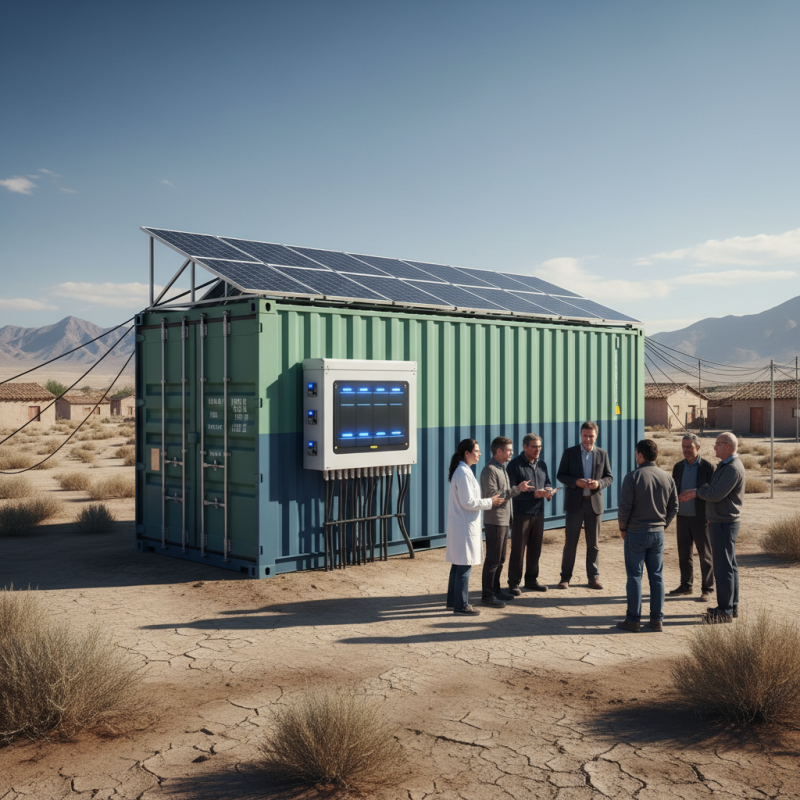
Why Choose a Solar Container for Sustainable Energy Solutions?
The demand for sustainable energy solutions is on the rise. solar containers are becoming increasingly popular. They offer a versatile way to harness solar energy. "Solar containers enable energy access in remote areas," says Dr. Emily Nguyen, a leading expert in renewable energy.
Imagine a portable unit that combines solar panels and battery storage. These units can be deployed in countless scenarios. They serve disaster relief efforts and remote communities. Yet, they also raise some questions. Are they always the best option? Can sustainability be achieved without over-reliance on technology?
The solar container industry is promising, but challenges remain. The costs can be significant, and efficiency varies. Users often wonder about the longevity of the containers. As we look toward a greener future, the solar container offers hope. But it's essential to analyze both its benefits and limitations thoroughly.
Benefits of Solar Containers for Sustainable Energy Solutions
Solar containers represent a powerful solution for sustainable energy. They offer several advantages that can boost energy efficiency and reduce carbon footprints. These mobile units can generate solar energy while providing storage for batteries, making them highly versatile. According to a recent report by the International Renewable Energy Agency, the use of solar containers can increase energy access in remote areas by up to 35%.
These containers can be deployed quickly and require minimal installation time. This flexibility is vital for disaster relief efforts. They can transform damaged areas into functional energy hubs within hours. Yet, some challenges remain. The initial investment can be significant. Additionally, maintenance may pose issues due to potential wear and tear from harsh environments.
Furthermore, the lifespan of solar panels can be a concern. While most panels last between 25 to 30 years, efficiency may decrease over time. This highlights a need for ongoing assessment and improvement in solar technologies. As the industry evolves, finding ways to enhance durability and lower costs will be crucial. Solar containers hold promise but require continued innovation and reflection on best practices.
Understanding the Design and Functionality of Solar Containers
Solar containers are gaining traction for their sustainable energy solutions. These innovative systems combine solar technology with mobile container design. This integration offers unique advantages in energy distribution and accessibility. According to the International Renewable Energy Agency, solar energy could supply up to 13% of the world’s energy needs by 2030.
The design of solar containers can be both compact and modular. They are equipped with photovoltaic panels that convert sunlight into electricity. These panels can be easily installed on rooftops or used as standalone units in remote areas. The flexibility allows for varied applications—from powering small communities to providing energy in disaster relief. Research shows that off-grid solar systems have reduced reliance on fossil fuels by 60% in some regions.
Tips: Consider local solar hours when designing a solar container. Efficiency decreases with less sunlight. Explore hybrid models that combine solar energy with other renewable sources for a reliable energy supply.
Despite their many benefits, there are challenges. Initial costs can be high. Maintenance might require specialized knowledge. An assessment of durability is essential in environmental extremes. Future improvements in materials could enhance longevity and performance.
Benefits of Solar Containers for Sustainable Energy Solutions
This chart illustrates the key benefits of solar containers, including energy efficiency, cost savings, sustainability, installation time, and durability. Each benefit is represented as a percentage, highlighting the advantages of utilizing solar containers in modern energy solutions.
Environmental Impact of Solar Energy Solutions Using Containers
Solar energy solutions harness the sun's power in a sustainable way. Solar containers, designed for this purpose, offer unique benefits. They can reduce carbon emissions significantly. Traditional power sources contribute heavily to pollution. In contrast, solar containers create clean energy on location. This minimizes the environmental footprint, making them an attractive option.
However, solar containers are not without challenges. Their production requires resources, which can impact the environment. Recycling old containers is essential to mitigate waste. Additionally, not every location gets enough sunlight year-round. This variability means that energy production may not be consistent. Adapting to these limitations is vital for maximizing their potential.
Land use is another consideration. Using containers could occupy valuable space in urban areas. Communities must weigh the benefits against the impacts on land and resources. Despite these aspects, the shift towards solar containers remains promising. They represent a move towards greener options, though careful planning is necessary. Balancing these factors is crucial for sustainable energy solutions.
Applications of Solar Containers in Various Industries
Solar containers are emerging as versatile solutions in various industries. They combine mobility with renewable energy. These self-contained units provide sustainable electricity on-site. The construction sector is one area seeing growth. Job sites often lack reliable power sources. A solar container can generate power directly, reducing dependency on diesel generators. According to a recent study, solar-powered construction sites can lower energy costs by up to 40%.
In healthcare, solar containers play a crucial role. Remote clinics may struggle with energy access. Using solar containers can ensure continuous operation, even in challenging environments. An industry report indicates that 20% of remote health facilities face energy shortages. Solar containers can bridge this gap, offering a stable energy source. They enable essential services like refrigeration for vaccines and operating equipment.
Agriculture is another key area for solar containers. Farmers need power for irrigation and processing. A solar container can power these operations sustainably. Research shows that 30% of agricultural producers seek renewable options to cut costs. Despite the benefits, challenges remain. Initial setup costs can be high. Awareness of solar technology is still limited in some regions. However, the potential and applications of solar containers are vast and promising.
Cost-Effectiveness and Return on Investment for Solar Containers
Choosing a solar container for energy solutions comes with significant financial advantages. According to a report by the International Renewable Energy Agency, solar energy costs have dropped by 89% since 2009. This substantial reduction means solar containers offer a compelling return on investment. Businesses can expect to see a payback period of just 3 to 5 years, a favorable timeline for many.
By selecting a solar container, companies benefit from reduced operational costs. Once installed, solar containers require minimal maintenance. This leads to savings over time. With energy prices continuously rising, locking in lower solar energy costs is a savvy move for any business. It's also an opportunity to enhance sustainability goals.
Tip: Calculate your energy needs before choosing a solar container. Understand the size and output required.
The initial investment might seem overwhelming. However, government incentives can alleviate some of this burden. Many regions offer tax credits and rebates. These can significantly enhance the financial appeal of solar containers. Keep in mind that while there are upfront costs, the long-term savings provide a strong incentive.
Tip: Research local incentives in your area. They can provide unexpected financial relief.
Why Choose a Solar Container for Sustainable Energy Solutions? - Cost-Effectiveness and Return on Investment for Solar Containers
| Dimension | Data |
| Initial Investment | $50,000 |
| Annual Savings on Energy Costs | $10,000 |
| Payback Period | 5 Years |
| Expected Lifespan of Solar Panels | 25 Years |
| Return on Investment (ROI) | 200% |
| Reduction in Carbon Footprint (per year) | 10,000 kg CO2 |