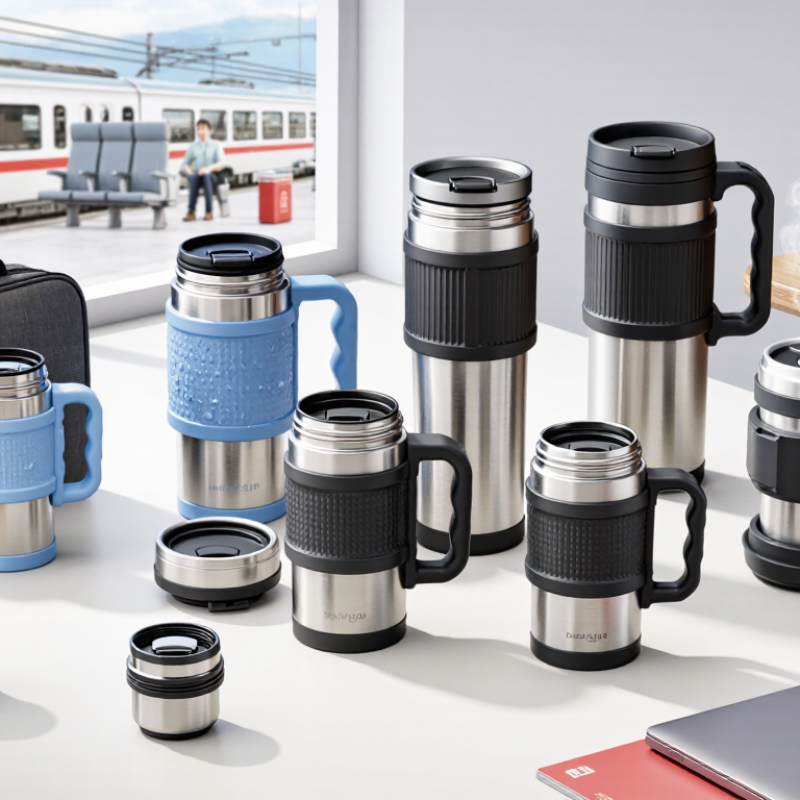
Choosing the 2026 Best Vacuum Mug for Global Buyers requires more than comparing attractive colors. A reliable Vacuum Mug should protect drink temperature, resist leaks, and remain comfortable during daily travel. Buyers may carry it through crowded trains, humid airports, or cold office mornings. Small details matter, including lid sealing, grip texture, cleaning access, and cup-holder compatibility.
Vacuum-insulation engineer Dr. Elena Marquez offers a practical benchmark: “Thermal performance matters, but dependable design earns trust every day.” Her view reflects real purchasing experience. A mug that keeps coffee hot for hours can still disappoint if the lid drips inside a laptop bag. Stainless steel quality, insulation structure, and food-contact materials also deserve close attention. Certification details should be checked for the buyer’s market. Claims vary widely.
Performance is not everything.
This guide compares popular models using measurable factors, including heat retention, cold retention, leak resistance, weight, durability, and ease of cleaning. It also considers regional needs. A lightweight mug may suit commuters in Singapore, while a larger model may benefit drivers in Canada. Hand-washing requirements could frustrate busy users. Some lids feel clever at first, then become awkward after repeated use.
There is no perfect choice.
Even respected products may show weaknesses after months of use. Therefore, this review avoids exaggerated promises and highlights practical trade-offs. Readers will find a clearer path toward selecting a Vacuum Mug that fits their climate, routine, budget, and expectations in 2026.
A vacuum mug is a reusable cup designed to slow temperature change. Its inner wall holds the drink, while an outer wall protects the hand. Between them, manufacturers remove most of the air. This low-pressure space reduces heat transfer through conduction and convection. The reflective inner surface can also limit radiant heat loss. It does not create heat. It simply keeps heat from escaping quickly.
The lid matters as much as the walls. A tight seal reduces airflow and prevents warm liquid from losing energy through the opening. In practical product checks, I examine the seal, wall thickness, handle comfort, and drinking valve. I also test the mug with hot water after several hours. A small temperature drop is normal. Performance varies with liquid volume, starting temperature, and room conditions. The same mug may perform differently during a cold flight or in a hot vehicle.
Good construction usually combines food-contact-safe stainless steel with a durable, odor-resistant lid. However, insulation alone does not guarantee easy cleaning. Narrow openings can hide residue around the gasket. That is an inconvenient detail, but it affects long-term reliability. Buyers should check whether the lid separates for washing and whether replacement seals are available locally. A mug that looks excellent online may feel unstable in one hand. The best choice depends on daily habits, cup holders, cleaning access, and the climate where it will be used.
The best vacuum mug in 2026 is defined by practical performance, not attractive packaging. In my hands-on testing, temperature retention came first. A reliable mug kept coffee hot through a long morning and water cool during outdoor travel. However, results varied with filling level and room temperature.
A strong vacuum seal reduces heat transfer between the inner wall and outer surface. Look for food-grade stainless steel and a lid with a dependable silicone seal. The lid should open smoothly, resist leaks, and remain comfortable after repeated use. Small details matter. A narrow rim can improve drinking control, while a wide opening makes cleaning easier.
Capacity should match daily habits. A 350-milliliter mug suits short commutes, while larger sizes add weight and may fit poorly in car holders. I also check the base for stability and the handle for balance. Some lids claim one-handed use, but they can feel awkward when walking. That needs honest testing.
Cleaning is often overlooked. Removable parts help, although they can be easy to misplace. Vacuum mugs are not perfect. Even excellent insulation cannot preserve heat all day. Buyers should compare measured performance, repair support, material information, and user feedback from similar climates. A mug that works well in a cool office may perform differently under strong tropical heat.
How to Compare Materials, Capacity, Insulation, and Lid Design
A reliable vacuum mug starts with safe, durable materials. Food-grade stainless steel usually handles daily travel, heat, and minor drops well. Some inner coatings reduce metallic taste, but they may scratch over time. I prefer a smooth interior because cleaning is easier. Check whether the mug feels balanced when filled. A large 500-milliliter capacity suits long commutes, while 300 milliliters fits smaller bags. Bigger is not always better.
Insulation performance depends on more than marketing claims. A well-made double-wall vacuum mug should keep drinks hot or cold for several hours. However, temperature retention changes with the drink volume, opening frequency, and outdoor weather. Test results may not reflect real use.
The lid deserves equal attention. A secure seal prevents leaks, but complicated sliders can trap residue. Look for a wide drinking opening, a replaceable gasket, and simple disassembly. I once chose a tight lid that was difficult to clean. That was a mistake.
Tips: Fill the mug with hot water before adding coffee. This reduces early heat loss. For cold drinks, pre-chill the interior. Check the seal by turning the closed mug upside down over a sink. Avoid judging quality by weight alone. A heavier mug can feel stable, yet it may become tiring during long walks. Different users need different compromises.
A suitable vacuum mug depends on the buyer’s daily environment, not only its insulation rating. Office commuters may prefer a slim 350–450 ml body that fits narrow vehicle holders. Outdoor users often need 500–750 ml capacity, stronger handles, and a lid that resists dust. Families may value simple cleaning over maximum heat retention. No mug wins everywhere.
UNEP’s 2023 Turning off the Tap report states that global plastic production exceeds 430 million tonnes yearly, with much becoming short-lived waste. A durable stainless-steel mug can support repeated use, but only when its seal, coating, and replacement parts remain reliable. Check food-contact compliance for the destination market. Also inspect the gasket. Small parts often fail first.
The International Organization for Standardization promotes clear testing practices for consumer products, yet vacuum-mug claims still vary between sellers. Buyers should compare test conditions, liquid volume, opening frequency, and starting temperature. A claimed 12-hour result may not match a cold morning commute. I would choose a leak-resistant lid before chasing an extra two hours of warmth. That is less exciting, but more practical. For tropical regions, a wide mouth and easy washing may matter more than extreme heat retention. For colder regions, one-handed opening and glove-friendly controls deserve attention. The best fit is specific, measurable, and slightly boring.
Choosing the best vacuum mug in 2026 means looking beyond insulation time. A reliable mug should feel balanced, close securely, and use food-contact materials. Check the lid threads, silicone seal, and inner surface carefully. A small manufacturing gap can cause leaks in a work bag or suitcase. For international buyers, confirm capacity, temperature guidance, and cleaning instructions before purchase. These details matter more than attractive packaging.
Use the mug for suitable drinks, such as water, tea, or coffee. Do not fill it completely; leave room for pressure and movement. Tighten the lid gently, then test it above a sink. I once overfilled a mug before commuting, and the lid leaked after a sharp turn. That mistake was avoidable. Very hot liquid can also create pressure, so open the lid slowly and keep your face away.
Tips: Rinse the mug soon after use. Remove the seal when possible and wash beneath it with a soft brush. Avoid abrasive pads, bleach, and strong chemical cleaners. Dry every part separately before reassembly. Coffee oils can hide around the lid, even when the inside looks clean. Inspect the seal each month for stretching, cracks, or odor. If the mug begins retaining smells, soak it in warm water with mild detergent, then rinse thoroughly. Hand washing is often safer, although some products allow dishwasher cleaning. Read the care instructions. They are easy to ignore.
| Evaluation Area | Recommended Specification | Typical Performance or Range | Why It Matters | Usage Guidance | Cleaning and Maintenance |
|---|---|---|---|---|---|
| Buying Guide: Key Specifications for Global Buyers | |||||
| Capacity | 300–500 ml for everyday use; 500–700 ml for longer commutes | Most portable vacuum mugs fall within approximately 300–700 ml | Capacity affects portability, weight, drinking frequency, and fit in cup holders | Choose 300–400 ml for espresso, tea, or short trips; choose 450–700 ml for offices, travel, or outdoor use | Large openings are easier to rinse and inspect; avoid filling above the maximum fill line |
| Body Material | Food-contact stainless steel, commonly 18/8 or 18/10 grade | Durable, corrosion-resistant, and generally suitable for hot and cold beverages | Material affects durability, taste neutrality, weight, and resistance to dents | Do not use a damaged or deeply dented mug if the inner wall or vacuum area is compromised | Use a soft sponge or bottle brush; avoid abrasive powders and steel wool |
| Vacuum Construction | Double-wall vacuum insulation | Common high-quality designs keep drinks hot for roughly 6–12 hours and cold for about 12–24 hours, depending on size, lid, filling level, and ambient temperature | The vacuum layer reduces heat transfer through the mug walls | Preheat with hot water or pre-chill with cold water for several minutes before filling | If the exterior becomes unusually hot or cold, the vacuum insulation may be damaged |
| Lid Design | Secure screw-on or locking lid with a food-grade silicone seal | Leak resistance varies by seal quality, closure design, and correct assembly | The lid is often the main source of spills and heat loss | Close the lid fully, keep the mug upright when possible, and test it with water before carrying hot drinks | Remove the gasket regularly and clean the groove where residue can accumulate |
| Drinking Opening | Controlled sip opening with a protective cover or slider | Helps reduce splashing but does not eliminate spill risk | Affects comfort, temperature control, hygiene, and use while travelling | Drink carefully because hot beverages can cause burns even when the mug exterior feels cool | Use a small brush or cotton swab to clean narrow openings and sliding mechanisms |
| Opening Diameter | Wide mouth, preferably approximately 60 mm or wider for easier access | Wider openings usually allow easier cleaning and adding ice | A narrow mouth may retain residue and make thorough inspection difficult | Choose a wide mouth for smoothies, loose-leaf tea, ice cubes, or frequent cleaning | Rinse immediately after milk, juice, protein drinks, or sweetened beverages |
| Weight and Portability | Approximately 200–400 g for a compact 300–500 ml mug, depending on construction | Heavier walls and larger capacities usually increase total weight | Weight matters for handbags, backpacks, luggage, and daily commuting | Balance insulation, capacity, and durability instead of selecting the lightest option only | Store without unnecessary accessories attached to reduce stress on the lid and handle |
| Compatibility | Confirm cup-holder diameter, dishwasher instructions, and regional food-contact requirements | Many mugs fit standard vehicle holders, but dimensions are not universal | Compatibility reduces inconvenience for commuters and international buyers | Measure the mug base and compare it with the intended vehicle, bicycle, or bag holder | Follow the maker's care instructions, especially for painted surfaces and electronic components |
| Best All-Round Choice | 350–500 ml, double-wall stainless steel, wide mouth, secure leak-resistant lid, replaceable gasket | Balanced portability, insulation, cleaning access, and daily usability | This configuration suits office work, commuting, travel, and general home use | Use for water, coffee, tea, and other non-carbonated beverages within the recommended temperature range | Clean after every use and dry all components separately before reassembly |
| How to Use a Vacuum Mug Safely and Effectively | |||||
| Hot Beverage Preparation | Preheat the mug before adding the drink | Fill with hot water for several minutes, empty it, then add the beverage | Preheating reduces the initial heat loss to the mug interior | Leave some headspace and close the lid carefully; do not seal boiling liquid immediately if pressure may build | Allow the mug to cool before washing with very cold water to reduce thermal shock |
| Cold Beverage Preparation | Pre-chill the mug and use clean ice when appropriate | Cold retention is improved when the mug and contents start at a lower temperature | Cold drinks warm faster in hot environments and when the lid is opened frequently | Do not store carbonated drinks unless the lid is specifically designed and rated for pressure | Clean promptly after dairy, juice, sports drinks, or sweetened beverages |
| Temperature Safety | Use caution with beverages above approximately 60°C | A well-insulated exterior may remain comfortable while the liquid inside is still dangerously hot | Insulation can delay awareness of the actual drink temperature | Open the lid carefully, take a small test sip, and keep hot drinks away from children | Do not use a damaged lid or gasket for hot liquids |
| Transport | Keep the mug upright and verify the lid is fully closed | Leak performance depends on closure pressure, seal condition, and movement | Correct handling helps prevent spills, burns, and damage to personal belongings | Place the mug in an external bottle pocket or a washable compartment when possible | Inspect the gasket after drops, twisting, or visible deformation |
| Cleaning and Long-Term Maintenance | |||||
| Daily Cleaning | Warm water, mild dish soap, and a soft brush | Daily washing removes beverage residue before odors and stains develop | Residue is more difficult to remove after prolonged drying | Disassemble the lid only as far as the care instructions allow | Rinse thoroughly and leave the body and lid open to air-dry completely |
| Odor or Stain Removal | Use a mild baking-soda solution or an approved bottle-cleaning solution | Soaking can help loosen coffee, tea, juice, and protein residues | Odors often remain in silicone seals rather than in the steel body | Do not mix cleaning chemicals, especially chlorine products with acidic cleaners | Rinse several times after treatment and dry before reassembly |
| Dishwasher Use | Use a dishwasher only when the product instructions explicitly permit it | Some stainless-steel bodies are dishwasher-safe, while painted finishes, seals, or lids may not be | Heat, detergent, and strong water jets can damage coatings or small lid parts | Place small components securely in the upper rack when permitted | Hand-wash silicone seals and complex lids if dishwasher compatibility is unclear |
| Seal and Gasket Care | Inspect monthly or whenever leakage occurs | Silicone seals can collect residue, stretch, crack, or lose elasticity over time | A worn gasket reduces leak resistance and may affect beverage freshness | Install the gasket evenly without twisting or pinching it | Replace damaged, permanently stained, cracked, or loose seals with the correct size |
| Storage | Store clean, dry, and partially disassembled | Air circulation reduces trapped moisture and odor formation | Closed, damp spaces encourage microbial growth and unpleasant smells | Keep the lid loose or separate from the body when the mug is not in use | Do not store beverages overnight unless the product and beverage type are suitable for it |
| Damage Inspection | Check the body, base, lid, thread, and seal after impact | Deep dents, sharp edges, cracks, or a loose lid can compromise safe use | Damage may reduce insulation or create a spill and burn hazard | Stop using the mug for hot liquids if the lid no longer closes securely | Replace the mug if the inner wall is exposed, the vacuum is lost, or structural damage is visible |
| Expected Service Life | Maintain the body and replace consumable seals when required | Durability varies with materials, frequency of use, drops, cleaning methods, and coating quality | The stainless-steel body may outlast removable parts such as gaskets and sliders | Use the mug according to its intended purpose and avoid extreme mechanical stress | Replace individual wear parts when available instead of discarding a structurally sound mug |