Best Electrical Current Tester for Accurate Readings?
Choosing the right electrical current tester is vital for precise measurements. Accurate results can impact both safety and project outcomes. An effective electrical current tester identifies current flow with high reliability.
Many testers vary in features and capabilities. Some may offer basic measurements, while others provide advanced functionalities such as data logging. Users often struggle to determine which model suits their needs. It’s crucial to evaluate what you require from an electrical current tester. Sometimes, overlooked specifications can lead to inaccurate readings.
A tester’s reliability is established through its design and user reviews. Users should weigh the importance of brand reputation against personal experiences. A tester that works well for one user might not perform the same for another. The goal is to find a balance between ease of use and accuracy. By reflecting on these aspects, one can make a more informed decision.
Types of Electrical Current Testers Available on the Market
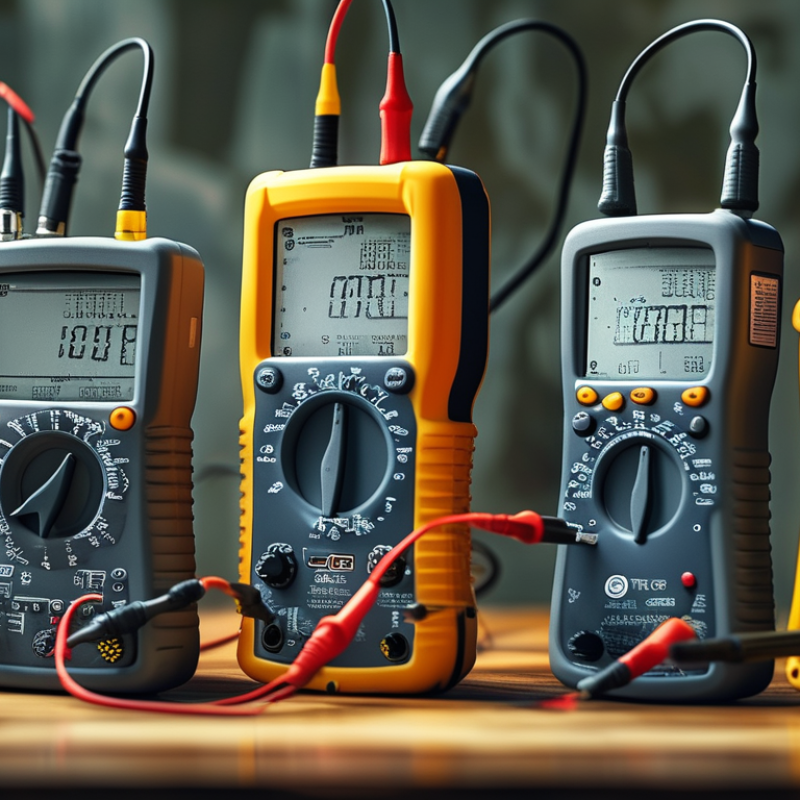
Understanding the types of electrical current testers is crucial for anyone working with electrical tools. There are primarily three main types available today: multimeters, clamp meters, and voltage testers. Each offers unique advantages that cater to different needs. Multimeters are versatile and provide comprehensive readings of voltage, current, and resistance. They are perfect for detailed electrical analysis.
Clamp meters, on the other hand, allow easy current measurement without disconnecting wires. This is especially useful for quick checks in tight spaces. Voltage testers are more straightforward tools, enabling quick checks for live wires. They are often used for basic household electrical work but may lack detailed diagnostics.
When choosing a tester, consider your specific needs. Think about what types of readings you will require. Someone who frequently measures high voltages may prefer a robust multimeter. If you only need occasional checks, a simple voltage tester could suffuse your needs. Always ensure that the device you select meets the safety standards relevant to your tasks.
Remember to calibrate your tester regularly for the most accurate readings. This check can prevent costly mistakes in your work. Additionally, always read the user manual before starting. Understanding your device fully can help you avoid common pitfalls when testing electrical currents.
Key Features to Consider for Accurate Current Measurements
When choosing an electrical current tester, several key features can enhance measurement accuracy. One crucial element is the type of probe used. A high-quality probe can ensure a strong connection to the circuit, minimizing resistance. Look for probes that are designed for specific current ranges. This precision helps avoid readings that skew, offering greater reliability.
Another important factor is the tester's sensitivity. A sensitive tester can detect low-level currents, which is often essential in troubleshooting circuits. Features such as adjustable sensitivity settings allow users to cater the device to different situations. Additionally, consider the display quality. A clear, backlit display can provide better visibility in various lighting conditions. Even with these features, calibration remains vital. Testers should be recalibrated regularly to maintain accuracy.
Battery life is another consideration. A tester that consumes less power can be a significant advantage. For frequent use, opt for devices with rechargeable options. Users must be mindful of accuracy limitations, especially in low-quality testers that may fluctuate readings. Regular updates to the tester's software can also help improve performance over time. While current testers are designed for precision, understanding how to use them effectively is crucial.
How to Choose the Right Electrical Current Tester for Your Needs
Choosing the right electrical current tester is essential for accurate readings. It’s important to evaluate your specific needs before making a purchase. Think about the types of circuits you will be working with. Light-duty testers usually suffice for basic home use. On the other hand, heavy-duty environments may require more robust instruments.
Look for features that ensure reliable measurements. Some testers offer digital displays, while others provide analog readings. Each type has its advantages based on your preference and comfort level. Pay attention to the range of current and voltage your tester can handle. A tester with broader range capabilities offers versatility for different tasks.
Consider ease of use as well. A complicated interface can lead to errors in readings. Even the most advanced testers can overwhelm users if they are not intuitive. Reflect on your experience level and choose a model that matches it. While many testers seem simple, their accuracy can vary. Take your time to compare models and consult expert reviews to inform your decision.
Best Electrical Current Tester for Accurate Readings?
| Feature | Description | Accuracy | Price Range | Battery Life |
| Digital Multimeter | Versatile tool for measuring voltage, current, and resistance. | ±0.5% | $20 - $100 | Up to 2 years |
| Clamp Meter | Measures AC current with a clamp around the wire. | ±2.0% | $30 - $150 | 1 year |
| Non-Contact Voltage Tester | Detects voltage without direct contact. | ±1.0% | $10 - $40 | Up to 5 years |
| Ground Resistance Tester | Measures the resistance of grounding systems. | ±0.5% | $200 - $700 | 3 years |
| Insulation Resistance Tester | Tests the insulation of wires and electrical equipment. | ±1.0% | $150 - $500 | 2 years |
Tips for Properly Using an Electrical Current Tester
Using an electrical current tester correctly is crucial for accuracy. Many professionals report that up to 30% of inaccurate readings stem from improper handling and technique. Always ensure your tester is calibrated before use. A well-calibrated instrument can significantly reduce measurement errors.
When taking readings, maintain a firm grip on the tester. Your body’s own electrical resistance may alter results. For instance, if you’re grounded unintentionally, it may skew the figures. It’s essential to use the right settings for the specific measurement. Not adjusting settings for AC or DC can yield faulty data.
Remember to be cautious about environmental factors. Testing in wet conditions can lead to serious safety issues. In fact, approximately 20% of electrical accidents occur due to equipment misuse or faulty measuring techniques. Always double-check connections; loose contacts might create misleading results. A little extra attention to detail can make all the difference in ensuring accurate and reliable readings.
Common Mistakes to Avoid When Using Current Testers for Readings
When using electrical current testers, many common mistakes can lead to inaccurate readings. Incorrectly setting the tester range is a frequent issue. Users often forget to choose the appropriate voltage or amp settings. This can result in either maxing out the device or receiving misleading low readings. It’s crucial to double-check the device settings before conducting tests.
Another common pitfall is poor contact with the test points. If the probes do not make good contact, the readings will suffer. Rushing through the testing process can lead to careless mistakes. Always ensure a firm grip on the probes and a clean surface to enhance connection quality.
Calibration is also often overlooked. Regularly calibrating the tester is essential for maintaining accuracy. Failing to recalibrate can introduce subtle errors over time. These errors may seem insignificant at first but can compound with repeated measures. Remember, taking a moment to ensure proper use can save time and prevent costly mistakes in the long run.
