Top 10 Benefits of Digital Signage Screens for Modern Businesses?
In today's fast-paced business landscape, digital signage screens have emerged as a powerful tool. According to a study by the Digital Signage Federation, businesses using these screens see an increase in engagement by up to 400%. This statistic underscores the importance of adopting modern technology for effective communication.
Digital signage screens offer numerous advantages, enhancing customer experiences and streamlining operations. They provide real-time updates, promote products, and attract attention in crowded environments. A survey by Statista reveals that 70% of consumers notice digital signage, highlighting its effectiveness in capturing audience interest. However, some businesses still hesitate to implement this technology, often due to perceived costs or complexity.
As we explore the benefits of digital signage screens, it's crucial to reflect on these challenges. Are businesses missing out on opportunities to engage customers? Adopting digital signage may require initial investment, but the potential for increased sales and brand awareness can outweigh the costs. Embracing this shift is essential for staying relevant in a competitive market.
Advantages of Enhanced Visibility through Digital Signage
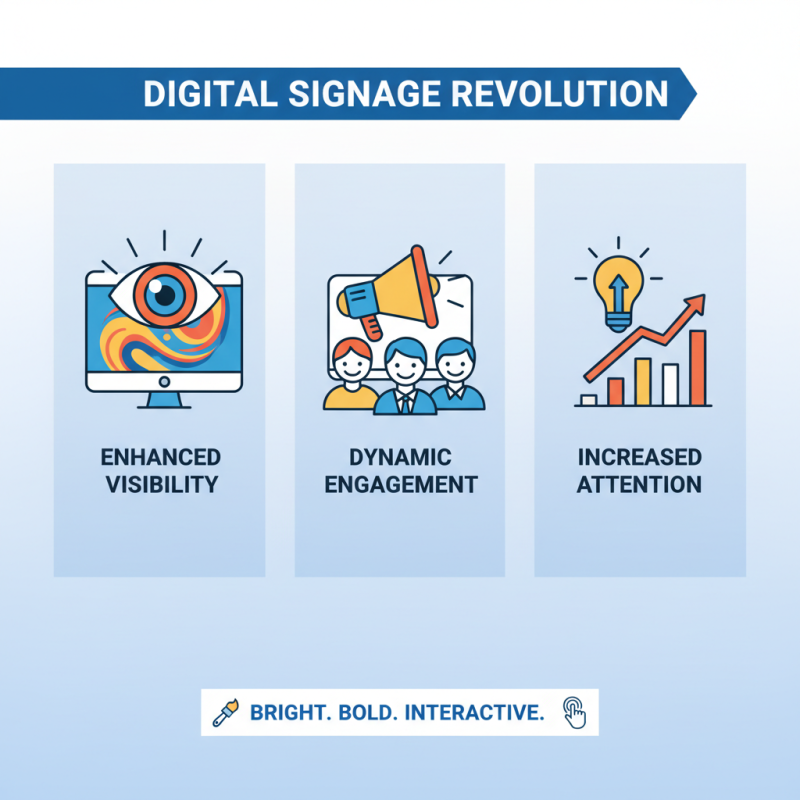
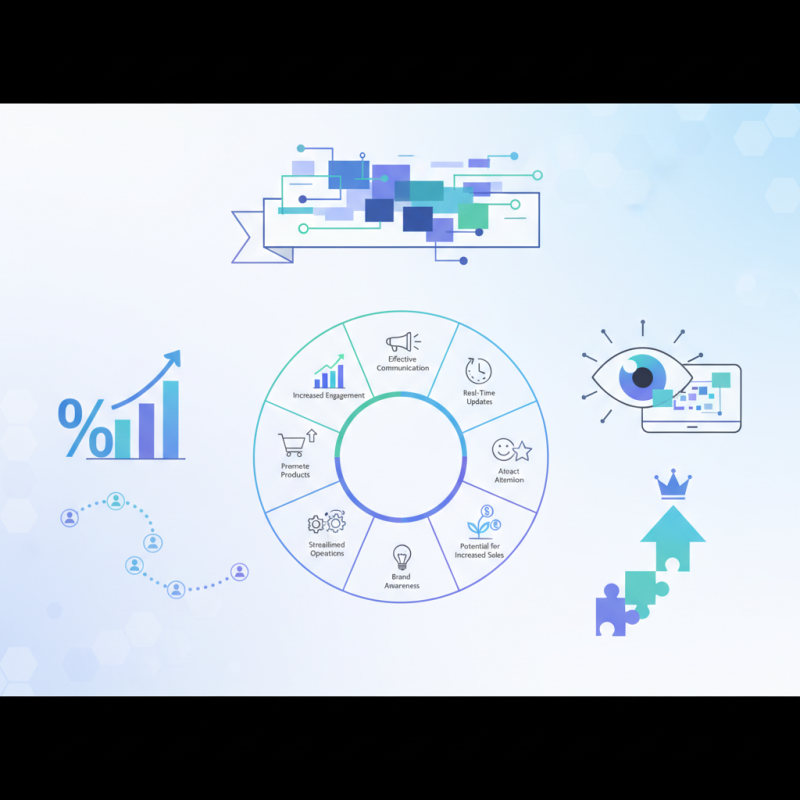
Digital signage screens have transformed the way businesses communicate. These screens offer enhanced visibility, capturing attention in crowded spaces. Bright colors and dynamic content draw the eye. Customers are more likely to engage with vibrant displays. This visual appeal stands out in a world filled with static advertising.
However, relying solely on digital signage can be a double-edged sword. It's important to continuously update content to keep it fresh. Stale messages can lead to viewer disengagement. Businesses might struggle with the balance between creativity and maintaining informative displays. Too much information can overwhelm audiences, while too little may fail to convey the message effectively.
Moreover, the initial investment in digital signage can be significant. Companies need to consider whether it aligns with their goals. The technology can sometimes malfunction or require updates, causing unplanned downtime. Nonetheless, when executed well, digital signage can elevate a business's visibility, making it a valuable tool.
Cost-Effectiveness of Digital Signage Over Traditional Advertising
Digital signage screens offer significant cost savings for modern businesses compared to traditional advertising methods. According to a study by InfoTrends, digital signage can reduce advertising costs by up to 50%. This is largely due to the elimination of printing and distribution expenses associated with physical posters and billboards. Moreover, businesses can quickly update content without additional costs, allowing for timely promotions and messages.
In addition to cost-effectiveness, digital signage enhances message visibility. A report from the Digital Signage Federation indicates that digital displays capture 400% more views than static displays. This means businesses can reach a larger audience with less financial investment. However, reliance on technology can pose challenges. For instance, digital screens require maintenance and can be vulnerable to glitches. Some businesses may need to invest in employee training to optimize their use.
Furthermore, while initial costs for digital signage can be high, long-term savings are evident. A Nielsen report reveals that consumers are more likely to engage with brands that use digital displays. Still, companies must continually evaluate their digital marketing strategies to ensure they align with evolving consumer preferences. Balancing innovation with practicality is essential for maximizing returns on investment.
Flexibility and Customization for Targeted Messaging
Digital signage screens offer unparalleled flexibility and customization. Businesses can tailor their messages in real-time. According to a report by MarketsandMarkets, the digital signage market is expected to reach $31.62 billion by 2025. This growth indicates a strong shift towards digital communication strategies.
With digital signage, companies can target specific audiences. Custom content can be designed based on time of day or customer demographics. This allows businesses to maximize engagement. For instance, a café could display breakfast specials in the morning. At lunchtime, the menu could change to grab attention. Crafting messages that resonate is crucial.
Tips: Always keep visuals simple. Complex designs can confuse viewers. Another tip is to monitor analytics. Track what content performs best to refine future messaging. Not every message will resonate with your audience. Testing is essential. Adjusting your approach based on feedback leads to improvement and success. Keeping content fresh is vital, yet implementation can be challenging. Embrace the need for continual reflection and iteration in your digital signage strategy.
Top 10 Benefits of Digital Signage Screens for Modern Businesses
| Benefit |
Description |
Impact |
| Flexibility |
Easily update content remotely to reflect real-time information. |
Improves engagement and relevance to current events. |
| Customization |
Tailor messages based on audience demographics and preferences. |
Increases customer connection and conversion rates. |
| Cost-Effectiveness |
Reduce printing and distribution costs for traditional signage. |
Saves operational costs in the long term. |
| Real-Time Updates |
Instantly update messages to reflect changing information. |
Enhances information accuracy. |
| Engagement |
Eye-catching visuals capture customer attention. |
Increases foot traffic and dwell time. |
| Multimedia Integration |
Incorporate videos, animations, and social media feeds. |
Improves message retention and impact. |
| Targeted Marketing |
Run specific promotions for different audiences simultaneously. |
Maximizes marketing effectiveness. |
| Analytics and Insights |
Gather data on customer interactions and preferences. |
Informs future marketing strategies. |
| Remote Management |
Manage multiple screens across locations from a single platform. |
Streamlines operations. |
| Sustainability |
Reduce paper usage and waste generation. |
Supports eco-friendly business practices. |
Real-Time Content Updates to Reflect Dynamic Business Needs
Digital signage screens have become essential for businesses. One of the key advantages is the ability to update content in real time. This flexibility allows companies to quickly adapt to changing circumstances. For example, a restaurant can promote a happy hour special right when it starts. Promotions can vanish just as quickly, keeping the content fresh.
Tips for effective content updates: Keep messages clear and engaging. Use bold visuals to capture attention. Frequent updates help maintain interest, but be cautious. Overloading screens with too much information can lead to confusion. Opt for a simple design that communicates your key message.
Another benefit of digital signage is its integration with social media feeds. Businesses can share real-time updates from their platforms, engaging customers through dynamic content. Ensure that the displayed social media content is relevant. Mismatched themes can create disconnect. Regularly assess audience reactions to improve content relevancy. Balancing fresh updates with consistency is vital for success.
Top 10 Benefits of Digital Signage Screens for Modern Businesses