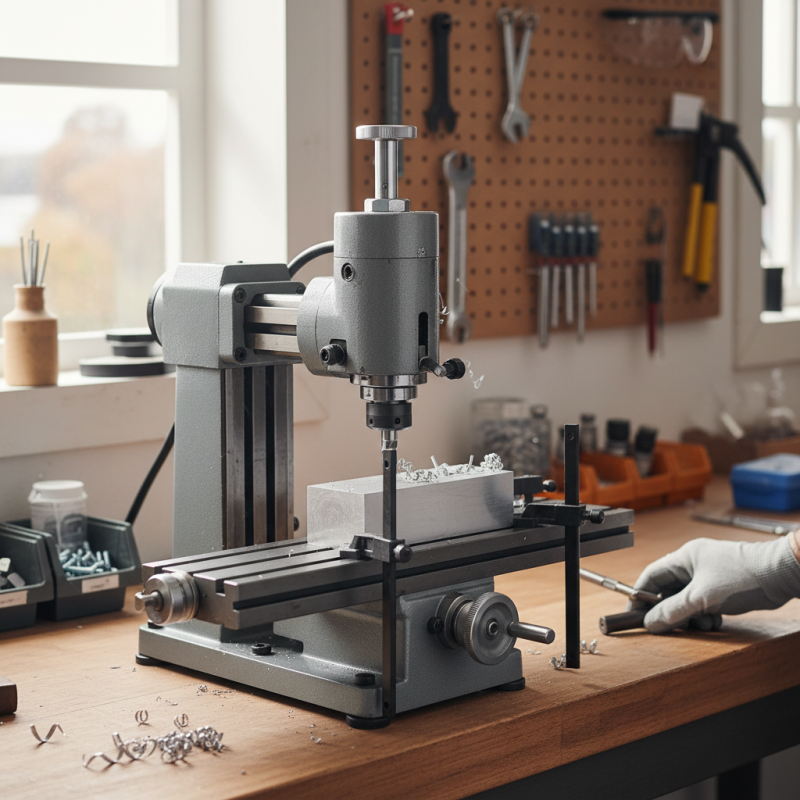
What is a Bench Top Milling Machine and How to Use It?
A Bench Top Milling Machine is an essential tool for many hobbyists and professionals. It is compact, versatile, and powerful. This machine fits easily on a workbench, making it perfect for small workshops or garages. Many use it to create precise parts and prototypes from various materials.
Operating a Bench Top Milling Machine requires skill and knowledge. Users must understand proper techniques to achieve desired results. Mistakes often occur, even for seasoned users. Sometimes, the machine may not perform as expected, leading to wasted materials and frustration.
Yet, these challenges can be vital learning experiences. Experimentation with different settings and materials can increase proficiency. Embracing imperfections can foster growth in any milling project. All in all, a Bench Top Milling Machine can be a gateway to creativity and innovation.
What is a Bench Top Milling Machine?
A bench top milling machine is a compact tool for precision work. It allows users to machine various materials, such as wood, metal, and plastic. With its small footprint, it’s ideal for hobbyists and small workshops. The machine usually has a vertical axis, which makes it suitable for intricate designs and detailed engraving.
Using a bench top milling machine requires practice. Understanding how to secure materials properly is crucial. Users often grapple with adjusting speeds and feeds. The correct settings can greatly affect the outcome. A miscalculation may lead to poor results or even damage to the tool. Maintenance is another area that needs attention. Cleaning chipped debris is essential for performance.
Operators can feel overwhelmed by the machine's features. Learning to read blueprints is necessary for effective use. It can be frustrating when results don’t match expectations. Regularly using this machine will build confidence. With patience and practice, skills will improve over time.
Key Components of a Bench Top Milling Machine
A bench top milling machine is compact yet powerful. It's designed for smaller workshops and home use. Understanding its key components is essential for effective operation.
The spindle is one of the most critical parts. It holds the cutting tool securely in place. A sturdy spindle ensures precision but can sometimes lead to vibrations if not calibrated correctly. The bed provides a stable surface where the workpiece sits. A flat, well-maintained bed is crucial for accurate milling. Inspect it regularly for wear and tear.
Another important component is the axes. They allow movement in various directions for more complex tasks. However, misalignment can result in poor cuts. Clean and adjust the axes frequently to avoid issues. Finally, the control panel facilitates operation. It may seem intuitive, but understanding every function takes practice. Mistakes can happen during initial use, so patience is key. Continual learning will enhance your milling skills.
Safety Precautions When Using a Bench Top Milling Machine
Using a bench top milling machine can be intimidating without proper precautions. Safety should always come first. According to industry data, nearly 15% of accidents in machine shops are related to improper safety protocols. This highlights the need for vigilance.
Wear appropriate personal protective equipment (PPE). Safety glasses can shield your eyes from flying debris. Ear protection is vital too. The noise level can exceed 85 decibels, a threshold where prolonged exposure can cause hearing loss. Gloves can protect your hands but choose wisely; loose gloves can get caught in machinery.
Maintain a clutter-free workspace. A clean area reduces the risk of accidents. Remember, chips and debris can lead to slips. Ensure you know the machine's emergency stop buttons. Be aware of your surroundings. Engage only with the machine, avoiding distractions like mobile phones. Even seasoned operators can overlook basic safety measures. Reflecting on your habits is crucial. Regularly revisiting safety protocols can significantly minimize risk and foster a culture of safety awareness.
Step-by-Step Guide to Operating a Bench Top Milling Machine
Operating a bench top milling machine can seem intimidating at first. However, with the right steps and careful attention, it becomes much more manageable. Start by familiarizing yourself with the controls and features of the machine. Make sure to read the manual thoroughly. This will help you avoid common mistakes that beginners often make, such as incorrect settings or using dull tools.
Next, safety should always come first. Wear appropriate protective gear, like goggles and gloves. Secure your workpiece firmly to the table. This ensures accuracy and prevents any unwanted movement while milling. When starting the machine, listen for unusual sounds. If something feels off, stop immediately. This could save you from larger issues down the line.
Once you're confident in your setup, it's time to mill. Begin with shallow cuts. Gradually increase depth as you become more comfortable. Keep an eye on the chips produced during the process. If they look burnt, your feed rate might be too slow. Take notes on what works best and what doesn’t. This reflection helps improve your skills over time. Don't rush; practice is key to mastering the art of milling.
What is a Bench Top Milling Machine and How to Use It? - Step-by-Step Guide to Operating a Bench Top Milling Machine
| Feature | Description | Usage Tips |
| Table Size | Typically ranges from 20" x 6" to 36" x 12" | Ensure your workpiece fits comfortably on the table |
| Spindle Speed | Variable speed from 100 to 3000 RPM | Adjust speed based on material type and cutting tool |
| Power | Usually between 0.5 HP to 2 HP | Select based on the thickness of material to be milled |
| Cutting Tools | End mills, face mills, and drill bits | Choose the right tool for the desired finish and material |
| Applications | Metalworking, woodworking, prototyping | Use for precision parts and intricate designs |
Common Applications and Projects for Bench Top Milling Machines
Bench top milling machines are versatile tools used in various projects. They excel in metalworking, woodworking, and even plastic fabrication. One common application is creating precise parts for mechanical assemblies. With the right attachments, these machines can perform tasks like drilling and contouring.
Many hobbyists use bench top milling machines for prototyping. A simple design can become a robust part with careful milling. Creating models for RC cars or drones is a popular project. These machines allow for intricate details and fine finishes that hand tools simply cannot achieve. Mistakes, however, can happen. Setting the wrong speed or using dull bits can lead to poor results.
Craftsmen often face challenges in achieving the desired accuracy. It’s crucial to measure twice before cutting. A little oversight can ruin a good piece. Also, each material behaves differently. Learning these nuances takes time and practice. Embracing imperfections in early projects fosters growth and skill development.
Common Applications for Bench Top Milling Machines